Indoor Range Training Questions

Published on April 21, 2025
Duration: 5:14

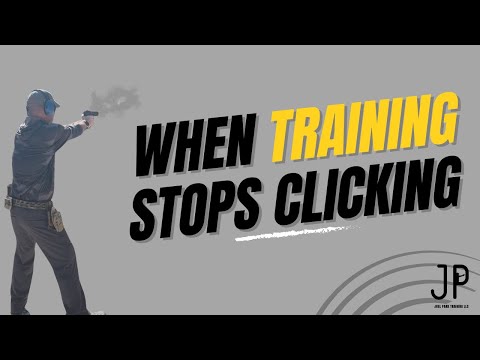
This video explains how to effectively balance dry fire and live fire training for pistol proficiency. The instructor advises using limited live fire time at an indoor range for fundamental drills like rapid fire pairs to test grip and connection, while dedicating dry fire to more complex movements like target transitions. A key recommendation is to periodically validate dry fire practice with live fire (around 25% of range time) to identify discrepancies and ensure perceived performance matches actual results, especially concerning shot placement and sight tracking.

Quick Summary

Balance dry fire and live fire for effective pistol training. Use dry fire for target transitions and live fire for grip connection and recoil management. Periodically validate dry fire practice with live fire (approx. 25% of range time) to ensure perceived performance matches actual shot placement and identify issues like sight-staring.

Chapters

  1. 00:01Introduction and Video Queue
  2. 00:51Listener Question: Dry Fire vs Live Fire for Target Transitions
  3. 01:24Indoor Range Limitations and Live Fire Focus
  4. 01:50Dry Fire for Everything Else
  5. 02:00Benefits of Dry Fire Training
  6. 02:22Live Fire: Testing Connection to the Gun
  7. 02:45Target Transitions in Dry Fire
  8. 03:02The Importance of Validation in Live Fire
  9. 03:29Examples of Dry Fire vs. Live Fire Discrepancies
  10. 04:04Videoing Transitions to Identify Issues
  11. 04:24Validating Dry Fire Practice with Live Ammo
  12. 04:43Missing Issues in Dry Fire Without Validation
  13. 05:05Conclusion and Call to Action

Frequently Asked Questions

Should I focus my pistol training primarily on dry fire or live fire?

A balanced approach is best. Use dry fire for complex movements like target transitions and entry/exit work. Reserve limited live fire for fundamental drills like rapid fire pairs to test grip and connection to the firearm, ensuring it remains stable during recoil.

How often should I validate my dry fire practice with live fire?

It's recommended to allocate about 25% of your range time or resources to live fire sessions specifically for validation. This helps ensure that what you practice in dry fire accurately translates to real-world shooting performance and shot placement.

What are the benefits of practicing target transitions in dry fire?

Dry fire is ideal for target transitions because it allows you to focus on the smooth movement of your sights between targets without the distraction or cost of live ammunition. You can practice the mechanics and visual cues without recoil.

What issues might I miss if I only train with dry fire?

You might miss issues like excessive tension, the gun bouncing uncontrollably, or staring at your sights instead of the target. Live fire allows you to see actual shot placement and identify these subtle problems that affect accuracy.

More Training & Techniques Videos You Might Like

More from Joel Park

View all →