It's a Trap! 011: Gyro Pigeon

Published on April 20, 2021
Duration: 28:56

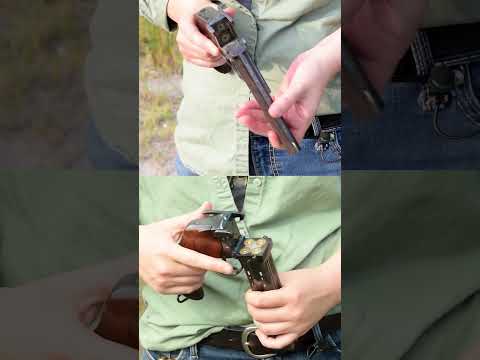
This guide details the operation of the Bussey Gyro Pigeon, a 19th-century target launching device. It covers winding the internal clock spring mechanism, safely launching the spinning targets, and the challenges associated with hitting them during a live-fire demonstration with a Spencer Shotgun. The video highlights the historical significance and unique mechanics of this early shooting accessory.

Quick Summary

The Bussey Gyro Pigeon is a 19th-century target launcher using a clock spring to propel spinning metal targets. Patented in 1871/1872, it requires careful winding and launching. Hitting these targets with firearms like the Spencer Shotgun proved challenging due to their flight characteristics.

Chapters

  1. 00:00Introduction to the Gyro Pigeon
  2. 01:53History and Design
  3. 04:57Mechanical Operation
  4. 07:11Field Testing and Launching
  5. 15:48Live Fire Demonstration

Frequently Asked Questions

What is the Bussey Gyro Pigeon?

The Bussey Gyro Pigeon is a historical target shooting device patented in 1871/1872. It features an internal clock spring mechanism within a wooden handle to launch spinning sheet steel or tin targets into the air.

How does the Gyro Pigeon work?

The device is wound using a key to tension an internal clock spring. Releasing a lever allows the spring to unwind, launching a propeller-like metal target with a spinning motion.

What firearm was used to shoot at the Gyro Pigeon targets?

During the live-fire demonstration, a period-appropriate Spencer pump-action shotgun was used to attempt to hit the flying Gyro Pigeon targets.

What were the challenges in hitting the Gyro Pigeon targets?

The primary challenges included the targets' erratic flight paths, their small size, and difficulty in spotting them against the sky, making accurate shooting difficult.

More from C&Rsenal

View all →