Learning to flow

Published on August 9, 2025
Duration: 2:05

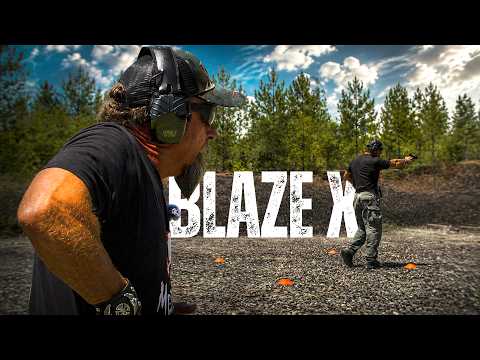
This video demonstrates a shooting drill focused on developing fluid movement and seamless transitions between target engagements. The instructor emphasizes maintaining consistent body posture and position to connect actions without breaks, highlighting how this improves speed and efficiency in a match setting. The drill involves shooting partial targets uprange and downrange, interspersed with engagements on an open target, all while focusing on a continuous, flowing motion.


Quick Summary

Ben Stoeger's fluid movement drill focuses on enhancing shooting fluidity and seamless transitions between targets. The key is to maintain consistent body posture and position, connecting actions without breaks for improved speed and efficiency. This technique is vital for competitive shooters to flow smoothly between tasks.

Chapters

  1. 00:01Drill Setup and Objective
  2. 00:22Focus on Body Posture and Position
  3. 00:36First Attempt Analysis
  4. 00:48Comparing Fluid vs. Disconnected Runs
  5. 01:24Characteristics of Fluid Movement
  6. 01:40The Concept of Connecting Actions
  7. 01:48Intangible Skill and Match Application

Frequently Asked Questions

What is the primary focus of Ben Stoeger's fluid movement shooting drill?

The primary focus is on developing fluid movement and seamless transitions between target engagements. The drill emphasizes maintaining consistent body posture and position to connect actions without breaks, improving speed and efficiency in a shooting context.

How does Ben Stoeger define 'fluidity' in shooting?

Fluidity in shooting is defined as connecting one task smoothly into the next without repositioning feet or changing body posture significantly. It's about creating an unbroken chain of action where movement and shooting are integrated.

What are the key components of the fluid movement drill described by Ben Stoeger?

The drill involves shooting two rounds on a partial target uprange, then six rounds on a left open target, followed by two rounds on a partial target downrange. The emphasis is on smooth transitions and maintaining body posture throughout.

Why is fluidity important in competitive shooting?

Fluidity is crucial in competitive shooting as it allows a shooter to flow from one task to the next easily and efficiently. This seamless integration of movement and shooting is often a distinguishing factor between competitors in match settings.

More Training & Techniques Videos You Might Like

More from Ben Stoeger

View all →