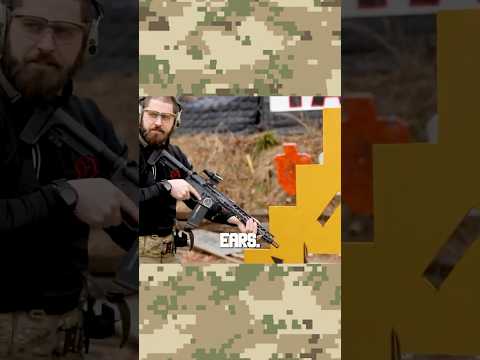
Lessons From the Range: Mindset and Methodology of Defensive Close Quarters Shooting

Published on October 3, 2022
Duration: 0:58

This video from Paramount Tactical Solutions demonstrates essential techniques for defensive shooting in close-quarters engagements. The core methodology emphasizes the critical principle of continuously creating space between the shooter and the threat, even while firing. The instructor highlights using physical actions like elbow strikes to establish distance, followed by firing from retention and immediately moving backward to transition to a full extension, ensuring a dynamic and survivable engagement.

Quick Summary

In close-quarters defensive shooting, the critical principle is to continuously create space. Techniques like elbow strikes can be used to push a threat away, buying time to draw your firearm and fire from retention. Immediately after firing, step back while continuing to shoot, transitioning to a full extension to maintain distance and control.

Chapters

  1. 00:00Creating Space in Close Quarters
  2. 00:10Elbow Technique for Space Creation
  3. 00:19Firing from Retention and Movement
  4. 00:43Continuous Space Creation Principle

Frequently Asked Questions

What is the primary principle for defensive shooting in close quarters?

The primary principle for defensive shooting in close quarters is the continuous creation of space between yourself and the threat. This allows you to gain distance, draw your firearm effectively, and transition from retention firing to a more stable shooting position.

How can you create space in a close-quarters confrontation?

You can create space in a close-quarters confrontation using various physical techniques. These include parrying the attacker's limbs, trapping their arms, or using a forceful elbow strike to their chest to push them away and gain vital distance.

What is 'firing from retention' in self-defense?

Firing from retention means shooting your firearm while it's still held close to your body, often pressed against an attacker. This technique is crucial in close quarters to prevent the assailant from disarming you while you engage the threat.

What is the recommended follow-up action after firing from retention?

After firing from retention, the recommended action is to immediately take a step back while continuing to fire. This movement transitions you from the close retention position to a full extension, further increasing the distance and control of the engagement.

Related News

All News →

More Training & Techniques Videos You Might Like

More from Paramount Tactical

View all →