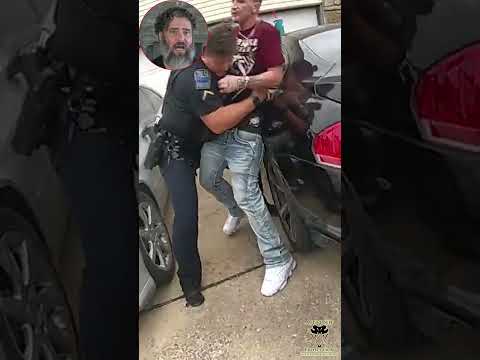
Officer Mistakenly Uses Gun Instead of TASER With Fatal Results

Published on April 19, 2021
Duration: 12:02

This guide outlines a training drill focused on preventing the critical error of drawing a firearm instead of a less-lethal TASER, a phenomenon known as 'slip and capture.' It emphasizes the importance of visual confirmation at eye level after drawing any tool, especially under stress. The drill, informed by the analysis of the Kim Potter incident by John Correia of Active Self Protection, aims to build muscle memory and perceptual awareness to mitigate such fatal mistakes.

Quick Summary

Preventing critical errors like drawing a firearm instead of a TASER requires understanding 'slip and capture' and foveal vision limitations. Experts stress the need for frequent, realistic training with less-lethal tools and mandatory visual confirmation of the drawn weapon at eye level to mitigate risks under high stress.

Chapters

  1. 00:00Introduction & Incident Context
  2. 00:33Bodycam Footage Analysis
  3. 02:12Legal Aftermath
  4. 03:58Legality of Stop & Warrants
  5. 06:07Slip and Capture Error Explained
  6. 07:39Foveal Vision & Perception Limits
  7. 09:23Manslaughter Statute Analysis
  8. 11:17Training Recommendations

Frequently Asked Questions

What is the 'slip and capture' phenomenon in law enforcement?

'Slip and capture' is a psychological response to extreme stress where an individual's dominant hand performs a highly ingrained action, like drawing a firearm, even when a different tool, such as a TASER, was intended. This highlights the need for rigorous, stress-induced training.

How does foveal vision contribute to errors in high-stress situations?

Foveal vision provides sharp, central sight. Under intense stress, the focus narrows to the immediate threat, effectively blinding peripheral vision. This means an officer might not perceive the weapon they've actually drawn if their attention is solely on the suspect.

What are key training recommendations to prevent drawing the wrong weapon?

Experts recommend practicing drawing less-lethal tools as frequently as firearms. Crucially, officers must develop the habit of bringing the drawn tool to eye level for immediate visual confirmation before presentation.

What legal statute is relevant to the officer's mistake?

The incident involved Minnesota's Second Degree Manslaughter statute, which pertains to culpable negligence. This means consciously taking chances that could lead to death or serious bodily harm, even without intent to kill.

Related News

All News →

More Training & Techniques Videos You Might Like

More from Active Self Protection

View all →