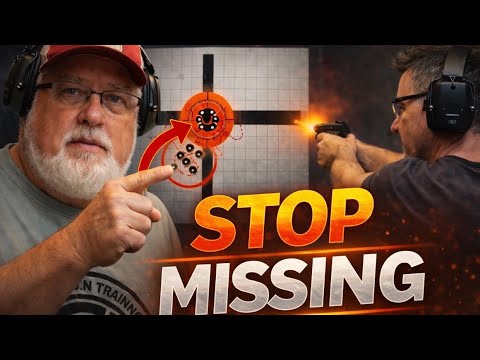
Optimizing Low Round Count Training Sessions

Published on December 24, 2025
Duration: 12:24

Joel Park, demonstrating high expertise, provides a strategic approach to optimizing limited ammunition training sessions. He emphasizes using live fire for observation and dry fire for skill development, advocating for varied drills and concept-based training over repetitive single-drill focus. The 'Cold-Dry-Live' cycle is recommended for effective practice and immediate feedback.

Quick Summary

Joel Park recommends optimizing low round count training by using live fire for observation and dry fire for skill building. He suggests varying drills to gain diverse feedback and implementing the 'Cold-Dry-Live' cycle: shoot cold, dry fire to correct, then shoot live to verify.

Chapters

  1. 00:00Intro: Low Round Count Training Question
  2. 01:09Why Single Drills Fail with Low Ammo
  3. 02:25Vary Drills for Better Feedback
  4. 04:29The Cold-Dry-Live Training Cycle
  5. 08:39Focus on Concepts, Not Just Drills
  6. 11:11Dry Fire Demonstration & Closing

Frequently Asked Questions

How can I make the most of my limited ammunition during firearm training sessions?

Joel Park advises treating live fire as an observation phase. Use dry fire for skill building and correction, and vary your drills in live fire to get diverse feedback on different shooting aspects rather than repeating just one.

What is the 'Cold-Dry-Live' training cycle recommended by Joel Park?

This cycle involves shooting 3 'cold' reps to gauge baseline performance, followed by 3-5 minutes of focused dry fire to correct identified issues, and concluding with 3 live reps to confirm improvements.

Should I focus on specific drills or broader concepts when training with limited ammo?

Joel Park recommends focusing on core concepts like marksmanship fundamentals, shooting while moving, and tension management. Select drills that specifically target the concept you need to improve most during that session.

What's the best way to practice trigger control during dry fire?

During dry fire, focus intently on a consistent sight picture and maintaining it throughout the entire trigger press. Practice smooth trigger manipulation, feeling the reset, and ensuring the sights do not move during the shot.

More Training & Techniques Videos You Might Like

More from Joel Park

View all →