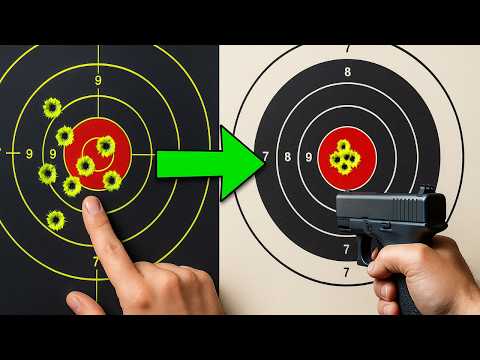
Pistol Dry Fire Practice

Published on August 28, 2009
Duration: 7:17

This guide details how to effectively practice firearm skills at home using dry fire, as demonstrated by firearms instructor sootch00. It emphasizes safety protocols, proper grip and trigger control techniques, and the importance of maintaining muscle memory. The content is suitable for intermediate shooters looking to enhance their proficiency between range visits.

Quick Summary

Dry fire practice is a crucial, cost-effective method to maintain shooting skills at home, preventing the 20% skill loss that can occur within a week. Essential safety includes ensuring the firearm is unloaded and using snap caps. Proper technique involves a light shooting hand grip, firm support hand grip, and focusing on the front sight during a slow, steady trigger pull to avoid sight movement.

Chapters

  1. 00:00Introduction and Benefits of Dry Fire
  2. 01:21Safety Procedures
  3. 02:30Grip and Trigger Finger Placement
  4. 03:24Trigger Control and Muscle Memory
  5. 05:07Sight Picture and Focus
  6. 06:24Conclusion and Resources

Frequently Asked Questions

What are the main benefits of dry fire practice?

Dry fire practice allows you to maintain and improve your shooting skills at home without using live ammunition. This cost-effective method helps prevent skill degradation, which can occur as much as 20% within a week of leaving the range, by reinforcing muscle memory and proper technique.

What safety precautions are essential for dry fire practice?

The most critical safety rule is to always ensure the firearm is completely unloaded. Use snap caps to protect the firing pin, and keep all live ammunition in a separate room. Never assume a firearm is unloaded; always visually and physically verify.

How should one grip a pistol for effective dry fire practice?

For effective dry fire, use a light grip with your shooting hand to maintain sensitivity for trigger control. Your support hand should provide a firm grip. Focus on using only the tip pad of your trigger finger for maximum control during the pull.

What should be the focus during the trigger pull in dry fire?

During the trigger pull, focus on the top edge of the front sight. Observe if the sights move during the pull; any movement indicates a need to adjust your grip or trigger technique. Keeping both eyes open aids situational awareness.

More Training & Techniques Videos You Might Like

More from sootch00

View all →