Pistol Dry Fire Practice

Published on August 28, 2009
Duration: 7:17

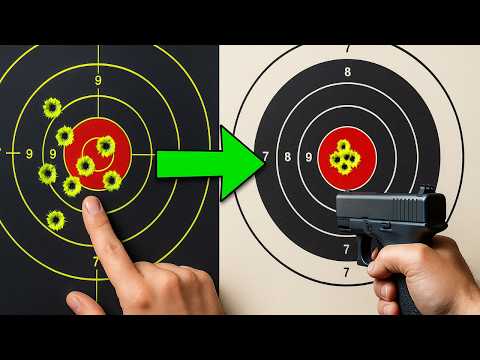
Dry fire practice is crucial for maintaining firearm skills, with potential skill loss of 20% within a week. This video emphasizes safety, including ensuring firearms are unloaded and using snap caps. Proper grip, trigger finger placement, and consistent trigger pull are key to developing muscle memory and improving accuracy. Focusing on the front sight and observing sight movement during the trigger pull are vital for diagnosing issues.

Quick Summary

Dry fire practice is essential for maintaining firearms skills, which can decline by 20% weekly. Key safety includes ensuring the firearm is unloaded and keeping live ammo separate. Focus on proper grip, using the trigger's tip pad for control, and observing sight alignment during the trigger pull to build muscle memory and improve accuracy.

Chapters

  1. 00:00Intro: Why Dry Fire Matters
  2. 01:21Crucial Safety Procedures for Dry Fire
  3. 02:30Mastering Grip and Trigger Finger Placement
  4. 03:24Trigger Control & Building Muscle Memory
  5. 05:07Focusing on Sight Picture and Alignment
  6. 06:24Recommended Resources for Training

Frequently Asked Questions

What are the key safety rules for pistol dry fire practice?

Always ensure your firearm is completely unloaded. Use snap caps to protect the firing pin and confirm the weapon is safe. Keep all live ammunition in a separate room during practice to avoid accidental chambering.

How can I improve my trigger control during dry fire practice?

Use only the tip pad of your finger on the trigger for maximum control. Focus on a smooth, consistent pull that doesn't disturb your sight alignment. Practice feeling the trigger's specific travel and break for your firearm.

Why is dry fire practice important for maintaining shooting skills?

Firearms skills can degrade significantly, potentially by 20% within a week of leaving the range. Dry fire allows you to cost-effectively maintain and improve essential skills like trigger control and sight alignment at home without using ammunition.

What is the correct focus point when aiming during dry fire practice?

You should focus intently on the top edge of the front sight. Observing if the sights move during your trigger pull is crucial for diagnosing grip or technique issues and ensuring accuracy.

Related News

All News →

More Training & Techniques Videos You Might Like

More from sootch00

View all →