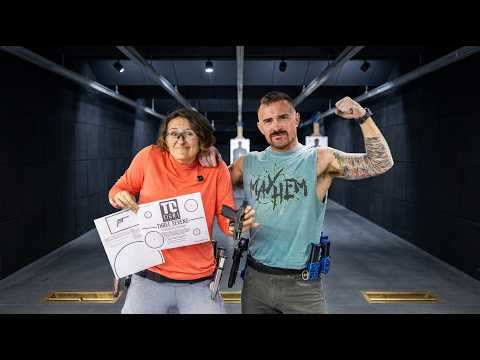
Practical Pistol Show 111 - Practicing the stuff

Published on December 15, 2015
Duration: 18:25

This episode of the Practical Pistol Show features a discussion on training methodology, specifically addressing a shooter's question about focusing solely on transitions for an extended period. The panel, including Grandmaster Tim, Grandmaster Matt, and IPSC shooter Gaston, debates the merits of isolating skills versus practicing all aspects of shooting concurrently. They generally agree that while focused practice on a weakness like transitions is beneficial, completely neglecting other skills can be detrimental. A balanced approach, incorporating focused work on a specific skill while maintaining proficiency in others, is recommended. The discussion highlights the importance of identifying weaknesses and developing a training plan, but cautions against overtraining or burnout from excessive focus on a single element.

Quick Summary

While focusing on a weakness like transitions can yield quick improvements, completely neglecting other skills like draws, reloads, and movement is generally not recommended. A balanced approach, dedicating significant time to a weakness while still practicing other fundamentals, is often more effective for overall improvement.

Chapters

  1. 00:01Introduction and Question Setup
  2. 00:43Shooter's Question: Focusing on Transitions
  3. 01:32Is Focusing Solely on Transitions Overkill?
  4. 02:09Initial Reactions to the Question
  5. 03:01Tim's Perspective on Transition Training
  6. 04:53Gaston's Approach: Train One Thing at a Time
  7. 06:31Hopkins' View on Isolated Training
  8. 08:14Tim's Stance: Practice Everything All the Time
  9. 09:08Matt's Balanced Training Approach
  10. 10:14Breaking Up Training Sessions
  11. 11:01The Nature of Transition Drills
  12. 12:37Gaston's Agreement with Matt's Approach
  13. 13:15Frequency of Complex Drills
  14. 14:03Timing of Isolated Skill Training
  15. 15:33Recap of Training Philosophies
  16. 16:19The Risk of Boredom and Overtraining
  17. 17:24Maximizing Training Benefit Through Variety
  18. 18:00Conclusion and Thanks

Frequently Asked Questions

Is it beneficial to focus solely on practicing transitions in shooting for an extended period?

While focusing on a weakness like transitions can yield quick improvements, completely neglecting other skills like draws, reloads, and movement is generally not recommended. A balanced approach, dedicating significant time to a weakness while still practicing other fundamentals, is often more effective for overall improvement.

What is Gaston's training philosophy regarding skill isolation?

Gaston advocates for training only one specific skill at a time for extended periods, such as a month. He believes this focused approach is necessary to truly polish a technique and achieve deep improvement, viewing complex drills as tests rather than training.

How should a shooter balance focused practice on a weakness with overall skill maintenance?

A balanced approach involves dedicating a substantial portion of training time to a specific weakness, like transitions, while using the remaining time to practice other essential skills. This ensures that proficiency in areas like draws and reloads is maintained and prevents new weaknesses from developing.

What are the risks of overtraining a single skill for too long?

Overtraining a single skill for extended periods, such as four to six weeks, can lead to boredom, burnout, and a plateau in improvement. It's often more beneficial to vary training to maximize the initial learning benefits of different drills and techniques.

Related News

All News โ†’

More Training & Techniques Videos You Might Like

More from Ben Stoeger

View all โ†’