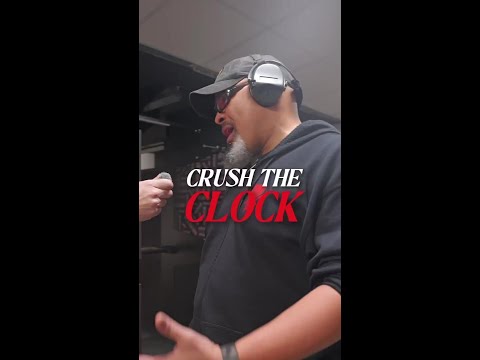
Practical Pistol Show 118 - Gabe doing DF and shooting from tough positions

Published on January 5, 2016
Duration: 21:47

This video discusses the challenges of shooting from difficult positions, explaining how altered body mechanics affect grip and gun behavior. It also delves into the discrepancies between dry-fire and live-fire drill times, attributing differences to factors like recoil, mental tension, and the pressure of live competition. The discussion highlights the importance of maintaining discipline and honesty in dry-fire practice to accurately simulate live-fire conditions.

Quick Summary

Shooting from difficult positions is challenging because the firearm's behavior changes significantly due to altered recoil impulse and grip consistency. This, combined with the pressure of live fire and the need for sight recovery, often results in slower times compared to relaxed dry-fire practice. Maintaining discipline and honesty in dry-fire is crucial for accurate simulation.

Chapters

  1. 00:00Introduction & Banter
  2. 01:04Why Shooting from Difficult Positions is Hard
  3. 03:56Impact of Body Position on Grip and Gun Behavior
  4. 05:35Challenges with Eyeglasses in Shooting Positions
  5. 08:05Favorite Shooting Positions
  6. 09:46Dry Fire vs. Live Fire Drill Times
  7. 11:02Reasons for Time Differences (Tension, Recoil)
  8. 12:16Quantifying Time Differences
  9. 13:33Tension and Recoil in Live Fire
  10. 14:50Draws and Reloads vs. Longer Shots
  11. 15:50Honesty and Realism in Dry Fire Practice
  12. 17:33Dry Fire Habits of a Competitive Shooter
  13. 19:17Submitting Shooting Questions & Resources
  14. 19:51Drill Differences: USPSA vs. Timmy Drills

Frequently Asked Questions

Why is shooting from difficult positions so challenging in firearms training?

Shooting from difficult positions is challenging because the firearm's behavior changes significantly. The recoil impulse is different, the gun may not track or return to the same point, and grip consistency is harder to maintain. This altered behavior, combined with the difficulty of maintaining sight alignment, leads to increased errors and slower times.

What are the main reasons for the time difference between dry-fire and live-fire shooting drills?

The primary reasons for the time difference between dry-fire and live-fire drills are mental tension leading to physical tension, the physical sensation of recoil, and the time it takes for sights to settle. Live fire also introduces the pressure of a competition or real-world scenario, which is absent in relaxed dry-fire practice at home.

How can eyeglasses affect shooting performance in awkward positions?

Eyeglasses can negatively impact shooting performance in awkward positions if the shooter is forced to look through the edges of the lenses. This can shift the visual image and reduce the effectiveness of the prescription, making sight alignment and target acquisition more difficult, especially with smaller lenses.

What is the difference in training philosophy between USPSA and 'Timmy' drills?

USPSA shooters often focus on gun handling drills with demanding time requirements and easier targets, prioritizing speed. 'Timmy' drills, on the other hand, are described as harder and better, potentially emphasizing accuracy on more challenging shots, though this distinction is debated within the community.

More Training & Techniques Videos You Might Like

More from Ben Stoeger

View all →