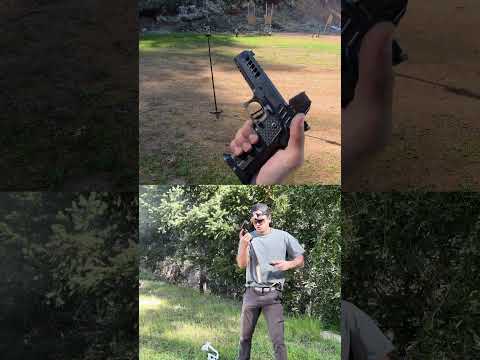
Practical Shooting After Dark EP 29

Published on December 27, 2018
Duration: 34:13

This episode of Practical Shooting After Dark features Ben Stoeger and Joel Park discussing various aspects of competitive shooting, primarily focusing on training group content and stage design. They emphasize the value of reviewing video submissions for self-improvement and learning from others' critiques. The conversation delves into what makes a shooting stage interesting and challenging, highlighting the importance of variety, multiple viable options, and avoiding predictable target arrays. The speakers also touch upon the benefits of diverse starting positions and the psychological aspects of stage planning.

Quick Summary

Interesting shooting stages offer multiple viable options for engagement, encouraging strategic thinking beyond a single approach. They avoid predictable target arrays and predetermined round counts, instead presenting varied distances and difficulties that prompt discussion and planning among shooters.

Chapters

  1. 00:02Introduction & Podcast Premise
  2. 00:43Guest Introduction: Joel Park
  3. 01:06Joel's Reliability & Shooting Status
  4. 01:34Kim's Busy Schedule & Training Feedback
  5. 02:09Upcoming Training Group Content: Visualization & Recoil Management
  6. 02:52Upcoming Video Releases: Nationals, Archangel Michael Cup, Area 59
  7. 04:31Dry Fire 101 Content & Live Dry Fire Sessions
  8. 05:20Potential Content with Gaston in Argentina
  9. 06:10Content Schedule Amidst Travel
  10. 06:49Topic: Training Group Value & Video Submissions
  11. 08:07Practice Group as a Coaching Tool
  12. 09:03Cost and Value of Video Submissions
  13. 09:56Low View Counts on Video Feedbacks
  14. 10:36Volume of Content Challenge
  15. 11:51Discussion on First-Person (GoPro) Footage
  16. 12:48Learning from GoPro Footage Details
  17. 13:50Different Perspectives on Shooting Critique
  18. 14:51Shared Philosophy, Different Approaches
  19. 15:06Collaborative Feedback Approach
  20. 16:09Ben's Direct Approach vs. Kim's Style
  21. 16:48Topic: Forearm Health & Recovery Product
  22. 17:16Introducing the 'So Right' Massage Tool
  23. 19:02Topic: Offseason Gear & Component Ordering
  24. 19:19Importance of Ordering Gear Early
  25. 21:19Topic: What Makes Shooting Stages Interesting?
  26. 22:04Match Variety: Course Lengths & Starts
  27. 22:32Stage Design Recommendations: Elements & Collaboration
  28. 24:22Multiple Viable Options in Stage Design
  29. 25:04Avoiding Target Arrays
  30. 25:51Avoiding Predetermined Round Counts
  31. 26:54Difficulty Ratio in Match Design
  32. 28:36Target Placement and Difficulty
  33. 29:39Stage Design and Shooter Conversation
  34. 30:50Most Interesting Stages: European Open Example
  35. 32:33Evolution of Stage Design and Match Directors
  36. 33:19Rarity of Truly Good Stages
  37. 33:41Conclusion & Listener Questions

Frequently Asked Questions

What makes a shooting stage interesting in competitive shooting?

Interesting shooting stages offer multiple viable options for engagement, encouraging strategic thinking beyond a single approach. They avoid predictable target arrays and predetermined round counts, instead presenting varied distances and difficulties that prompt discussion and planning among shooters.

How can shooters improve by watching training group content?

Shooters can significantly improve by watching video submissions and feedback within training groups. Analyzing how instructors critique others' techniques and identify common issues provides valuable learning opportunities, even if you're not submitting your own videos.

What is the 'So Right' massage tool and why is it recommended for shooters?

The 'So Right' is a U-shaped massage tool designed for forearm muscle relaxation and recovery. It's recommended for shooters to help prevent tendonitis, maintain grip integrity, and aid in muscle recovery after strenuous shooting sessions.

What are key considerations for designing effective shooting stages?

Effective stage design balances variety with enjoyability. It should incorporate elements like different start positions, distance changes, and opportunities for shooting on the move. Crucially, stages should offer multiple engagement options and avoid overly simplistic target arrays or fixed round counts.

Related News

All News →

More Training & Techniques Videos You Might Like

More from Ben Stoeger

View all →