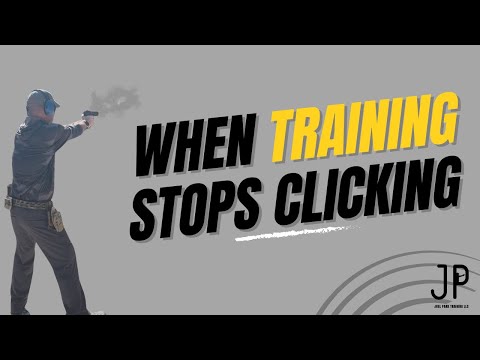
Predictive shooting on demand

Published on March 9, 2025
Duration: 4:12

This video explains the concept of predictive shooting, a technique necessary for firing rounds as fast as possible. Instructor Ben Stoeger emphasizes that at high rates of fire, one cannot react to sight alignment for each shot. Instead, shooters must rely on training and experience to predict the sight's return to the target zone. The instruction also covers mitigating gun rise through proper stance and grip, advocating for a less tense, more controlled approach.

Quick Summary

Predictive shooting is essential for high-speed firearm engagement, allowing shooters to fire rounds as fast as possible by anticipating sight return to the target zone. This technique relies on training and experience, moving beyond reactive sight acquisition to commit to the shot based on learned patterns.

Chapters

  1. 00:00Introduction to Predictive Shooting
  2. 00:13The Two-Round Firing Exercise
  3. 00:30Reactive vs. Predictive Shooting Explained
  4. 00:44Understanding Predictive Shooting
  5. 01:03Retrospective Sight Analysis
  6. 01:30Maintaining Consistency in Firing Cycle
  7. 01:41Common Shooting Input Mistakes
  8. 02:13Mitigating Gun Rise Technique
  9. 02:40Comparing Grip Techniques
  10. 02:58The Futility of Excessive Muscle Tension
  11. 03:16Discomfort of Tense Posture
  12. 03:37Tension's Impact on Dynamic Shooting
  13. 03:50Less is More: Hand and Forearm Grip
  14. 04:07Putting the Technique into Practice

Frequently Asked Questions

What is predictive shooting and why is it important?

Predictive shooting is a technique where a shooter commits to firing based on training and experience, anticipating the sight's return to the target zone rather than waiting for explicit visual confirmation. This is crucial for achieving higher rates of fire in dynamic shooting scenarios where reaction time is a limiting factor.

How can I reduce gun rise during rapid fire?

To reduce gun rise, adopt an aggressive stance with elbows out, push firmly into the gun, and focus on holding the firearm with your hands and forearms. Avoid excessive muscle tension in your back and shoulders, as this can be counterproductive and lead to fatigue.

What is the difference between reactive and predictive shooting?

Reactive shooting involves seeing the sight, confirming alignment, and then firing. Predictive shooting, used for faster firing, involves firing based on the anticipation of the sight returning to the aiming zone, relying on training and experience rather than conscious visual confirmation for each shot.

What are common mistakes to avoid in rapid fire shooting?

Common mistakes include applying too much unintended input into the gun during the firing cycle, often due to over-tensioning or trying to 'stop' the gun's movement. Excessive body tension, like tensing shoulders or back, is also detrimental, leading to fatigue and reduced control.

More Training & Techniques Videos You Might Like

More from Ben Stoeger

View all →