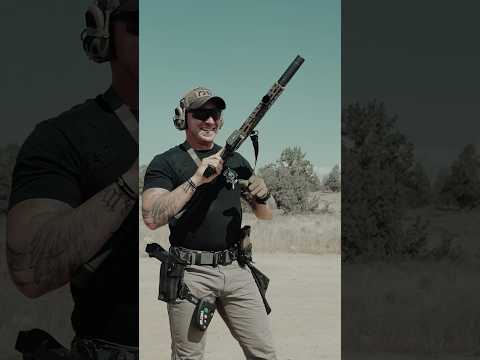
PROBLEM SOLVING IN YOUR ENVIRONMENT

Published on November 30, 2022
Duration: 18:32

This video details advanced techniques for problem-solving and engaging threats from within a vehicle, focusing on 'porting' rounds through windshields. It emphasizes tactical breathing, establishing a stable shooting platform using the vehicle's interior as a 'home base,' and safe weapon manipulation during vehicle exit. The instruction covers both driver and passenger side scenarios, including methods for dealing with seatbelts and weapon malfunctions.

Quick Summary

When shooting from a vehicle, employ tactical breathing: inhale on the draw, hold during engagement, and exhale upon exit. Establish a stable 'home base' using interior points of contact and pressure for consistent shot placement through windshields, understanding how windshield rake affects bullet trajectory.

Chapters

  1. 02:22Vehicle Exit Breathing Technique
  2. 03:04Understanding Windshield Rake
  3. 03:46Building a Weapon Home Base
  4. 04:08Testing Round Deviation
  5. 05:02Driver's Seat Home Base Setup
  6. 06:25Vehicle Exit Procedure
  7. 07:47Passenger Seat Shooting Technique
  8. 09:10Seatbelt Negotiation Methods
  9. 10:43Full Vehicle Engagement Scenario
  10. 13:14Malfunction Clearance in Vehicle
  11. 13:41Shooting from Vehicle Pillars

Frequently Asked Questions

What is the recommended breathing technique when shooting from a vehicle?

When exiting a vehicle after engagement, inhale on the draw, hold your breath during presentation and execution of rounds, and exhale as you exit. This helps manage recoil and prevents a 'glass lung' condition.

How does windshield rake affect bullet trajectory when shooting from a car?

The rake angle of a windshield is critical. Rounds fired from inside a vehicle will travel upwards due to the angle, while rounds fired from outside into the vehicle will travel downwards. Understanding this is vital for safety and accuracy.

What is a 'home base' in vehicle shooting?

A 'home base' refers to establishing a stable shooting platform by using points of contact within the vehicle, such as the trigger guard and knuckle, combined with downward and forward pressure. This consistency helps ensure rounds exit through the same hole.

What are safe methods for exiting a vehicle after a shooting engagement?

Safe exit procedures include tracing the steering wheel and dash, moving between your legs, or 'swimming' through seatbelts. The goal is to maintain muzzle discipline and avoid flagging yourself or others while disengaging from the vehicle.

More Training & Techniques Videos You Might Like

More from Achilles Heel Tactical

View all →