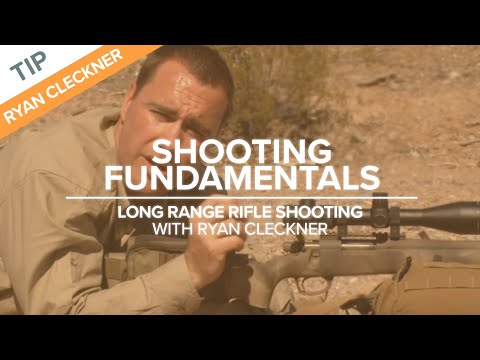
Prone Position: Getting Set on the Rifle | Long-Range Rifle Shooting with Ryan Cleckner

Learn to establish a consistent and relaxed prone shooting position for long-range accuracy. Ryan Cleckner, a former Special Operations Sniper, details how to find your natural body alignment without the rifle first, then integrate the firearm to eliminate muscle strain. Proper setup ensures stability and reduces fatigue, crucial for precision shooting.

Quick Summary

To achieve accuracy in long-range shooting, focus on consistency by establishing a natural, relaxed prone position. Start without the rifle to find your body's stable base, then integrate the firearm, ensuring no neck strain. A correct position allows your head's weight to rest on the gun, preventing fatigue and improving stability.

Chapters

  1. 00:00Introduction to Consistency in Long-Range Shooting
  2. 00:45Finding Your Natural Prone Body Alignment
  3. 01:18Integrating the Rifle into Your Prone Position
  4. 01:42Eliminating Muscle Strain for Better Accuracy

Frequently Asked Questions

What is the most important factor for accuracy in long-range shooting?

According to Ryan Cleckner, a former Special Operations Sniper, consistency is the primary key to accuracy in long-range shooting. This consistency is achieved through a stable and repeatable shooting position, especially in the prone stance.

How do you establish a natural prone shooting position?

Start by lying down without the rifle, finding a relaxed body alignment as if taking a nap. Identify the most comfortable and stable base for your body before integrating the firearm into your shoulder.

What are signs of an incorrect prone shooting position?

An incorrect prone position often leads to muscle strain, particularly in the neck. If you experience shaking or need to take frequent breaks after only a short time, your position needs adjustment.

Why is eliminating muscle strain important in prone shooting?

Eliminating muscle strain ensures stability and endurance. A proper position allows the full weight of your head to rest on the rifle's cheek rest without conscious effort, preventing fatigue and maintaining a consistent sight picture.

Related News

All News →

More Training & Techniques Videos You Might Like

More from NSSF—The Firearm Industry Trade Association

View all →