Quick Tip: Basic Rifle Maintenance

Published on November 3, 2023
Duration: 8:20

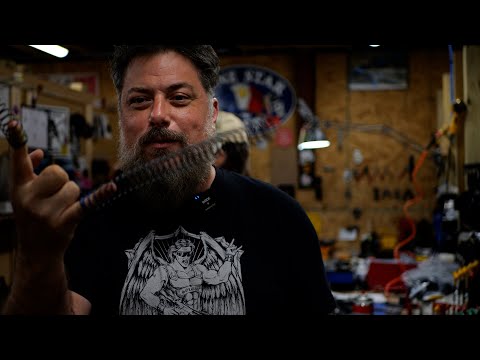
This guide details basic AR-15 maintenance, emphasizing inspection as a key part of cleaning. It covers checking critical components like the extractor, ejector, and gas rings for wear and proper function. The importance of generous lubrication and specific tests for component health, such as the gas ring test and action spring length measurement, are highlighted to ensure reliable operation.


Quick Summary

Basic AR-15 maintenance involves inspecting critical components like the extractor, ejector, and gas rings for firmness and wear. A key test is the gas ring test: if the BCG stands upright supported by the rings, they are good; if it collapses, replace them. Generous lubrication is recommended for reliability, and action springs should be checked for length (minimum 10 1/16 inches for carbine springs).

Chapters

  1. 00:00Introduction to Basic Rifle Maintenance
  2. 00:15AR-15 Maintenance Misconceptions
  3. 00:40Bolt Carrier Group Inspection
  4. 00:55Extractor and Ejector Checks
  5. 01:05Bolt Lug and Gas Ring Tests
  6. 01:35Action Spring Measurement
  7. 02:05Lubrication Strategy
  8. 02:53Peening and Component Wear
  9. 03:04Proactive Maintenance vs. Malfunctions
  10. 04:05Barrel Maintenance and Fouling
  11. 04:36Copper Fouling and Accuracy
  12. 05:33Nitride Barrels and Corrosion Resistance
  13. 05:47Barrel Life Expectancy Factors
  14. 06:25Rifling Wear Patterns
  15. 06:58Relying on Inspection Over Round Count
  16. 07:31Gas Ring Lifespan Estimates
  17. 07:45Conclusion and Thanks

Frequently Asked Questions

What are the key components to inspect during basic AR-15 maintenance?

During basic AR-15 maintenance, focus on inspecting the bolt carrier group (BCG). Key components include the extractor, ejector, bolt lugs, and gas rings. Checking for firmness, cracks, and proper function of these parts is crucial for ensuring the rifle's reliability.

How do you perform the gas ring test on an AR-15 bolt carrier group?

To perform the gas ring test, pull the bolt to its forward position and stand the BCG upright. If the gas rings are in good condition, they should support the weight of the carrier. If the BCG collapses under its own weight, the gas rings need to be replaced.

What is the recommended lubrication strategy for an AR-15?

Experts recommend being generous with lubrication on an AR-15. A 'wet' firearm is generally more reliable, even if it accumulates carbon fouling. While exceptions exist for extremely sandy conditions, ample lubrication is key for smooth operation.

Should I lubricate the bore of my AR-15 barrel?

It is generally advised to avoid putting lubricant down the bore of your AR-15 barrel. A small amount of copper fouling can actually improve accuracy, and excessive lubrication can attract debris. Focus on cleaning fouling if accuracy degrades.

How can I tell if my AR-15's action spring needs replacement?

The primary indicator for replacing an AR-15 action spring is its length. For a carbine spring, it should not be shorter than 10 and 1/16 inches. If it has 'set' or compressed below this measurement due to thousands of cycles, it should be replaced.

Related News

All News →

More Training & Techniques Videos You Might Like

More from Brownells, Inc.

View all →