Randy and Ty React to comments from the BJJ Video

Published on October 13, 2023
Duration: 3:42

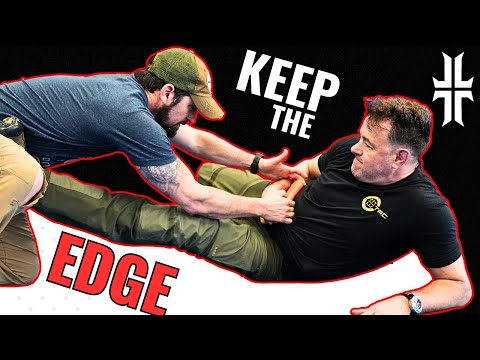
This video discusses firearm retention techniques within a Brazilian Jiu-Jitsu context, highlighting the importance of understanding arrest positions and use-of-force considerations. Randy Watts and Ty Morton of Alien Gear Holsters explore how grappling drills can inform defensive tactics for law enforcement and military personnel, emphasizing survival and appropriate escalation of force.


Quick Summary

Firearm retention is critical in law enforcement and military training, often simulated through BJJ drills. Experts discuss appropriate arrest positions, differentiating between high-risk felony stops and compliant arrests, and the importance of understanding the use-of-force pyramid when escalating tactics.

Chapters

  1. 00:00Introduction: Alien Gear Holsters Engineers on the Mats
  2. 00:13BJJ Drills for Firearm Defense
  3. 00:26Arrest Position Discussion: 'Maximum Large Position'
  4. 00:43Ty Morton's Background: Engineer, Not Police Officer
  5. 00:53Typical Arrest Position for Compliant Suspects
  6. 01:23Felony Stop vs. Compliant Arrest
  7. 01:30Real-Life Fights vs. Training Scenarios
  8. 01:50Why Not Grapple? Elbow Strikes and Head Slams
  9. 02:01Drill Context vs. Real Situation Survival
  10. 02:12Use of Force Pyramid: Body vs. Head Strikes
  11. 02:32Gear Considerations: Pepper Spray, Taser, Firearms
  12. 02:42Consequences of Rolling on Pavement
  13. 02:58Firearm Grip and Retention Force
  14. 03:19Why Let Someone Get That Close?
  15. 03:25Police Arrests vs. Civilian Encounters
  16. 03:33Firearm Placement During Arrest

Frequently Asked Questions

What is the primary focus of the BJJ drills discussed in the video?

The primary focus is on firearm retention, specifically how to defend a weapon from being taken by an assailant during a physical confrontation, often encountered in law enforcement and military training scenarios.

How does the video differentiate between a felony stop and a compliant arrest?

A felony stop involves extreme precautions, typically placing the suspect face-down. A compliant arrest, like for a shoplifter, might allow for different positions, but awareness of potential resistance is crucial.

What is the estimated force required to remove a firearm from a holster?

The video suggests that a significant amount of force is needed to remove a firearm from its holster, estimating it to be somewhere between 600 to 900 pounds of pull force.

What tactical considerations are mentioned regarding the use of force during a confrontation?

The discussion touches on the use-of-force pyramid, emphasizing that escalating to head strikes requires extensive training and careful judgment. In survival situations, officers must prioritize their own safety.

More Training & Techniques Videos You Might Like

More from Alien Gear Holsters

View all →