Real vs Fake Bullets! Here’s The Difference

Published on March 19, 2024
Duration: 0:28

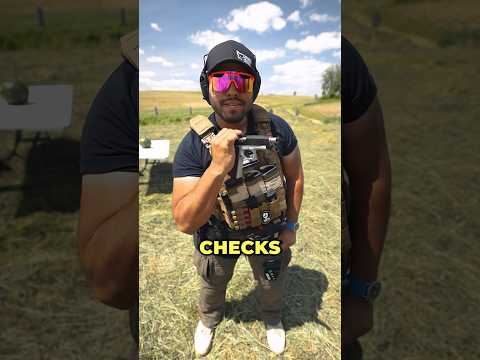
This guide, presented by Johnny Q, details how to use blue inert dummy rounds for malfunction training. By mixing these with live ammunition, shooters can practice clearing common firearm failures, enhancing handling skills and readiness. The video emphasizes the importance of these training aids for realistic practice without the risks associated with live fire malfunctions.


Quick Summary

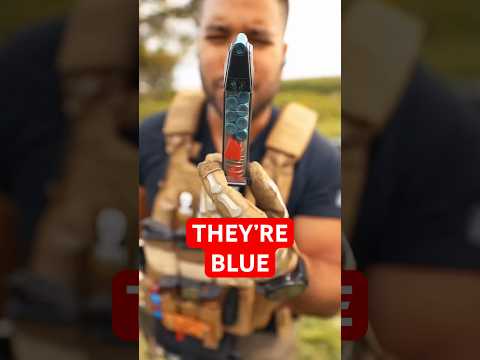
Dummy rounds are inert training aids, often blue, used to simulate firearm malfunctions safely. Mixing them with live ammunition allows shooters to practice clearing issues like failures to feed or eject, enhancing handling skills without the risks of live fire. Common calibers include 12 gauge, .223, and 9mm.

Chapters

  1. 00:00Introduction: Viewer Question
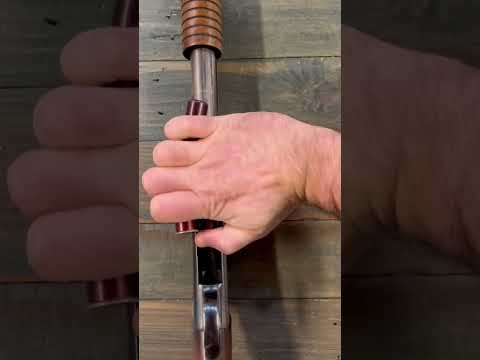
  2. 00:04Showcasing Dummy Rounds (12ga, .223, 9mm)
  3. 00:09Comparison: Dummy vs. Real Ammo
  4. 00:12Training Purpose: Simulating Malfunctions

Frequently Asked Questions

What are dummy rounds used for in firearm training?

Dummy rounds, also known as inert training aids, are used to safely simulate firearm malfunctions during training. By mixing them with live ammunition, shooters can practice clearing common issues like failures to feed or eject, improving their handling skills without the risks of live fire.

How can I identify dummy rounds?

Dummy rounds are typically made distinct from live ammunition through color, often being brightly colored like blue or red. They lack primers and propellant, making them incapable of firing a projectile, and are specifically designed for safe training purposes.

What calibers of dummy rounds are shown in the video?

The video showcases dummy rounds in three common firearm calibers: 12 gauge for shotguns, .223 Remington (often used in AR-15 platforms), and 9mm Luger, which is a prevalent pistol caliber.

Why is it important to practice firearm malfunctions?

Practicing firearm malfunctions is crucial for developing proficiency and confidence. It ensures that a shooter can react correctly and efficiently under stress to clear a stoppage, maintaining readiness in critical situations.

Related News

All News →

More Training & Techniques Videos You Might Like

More from Johnny Q

View all →