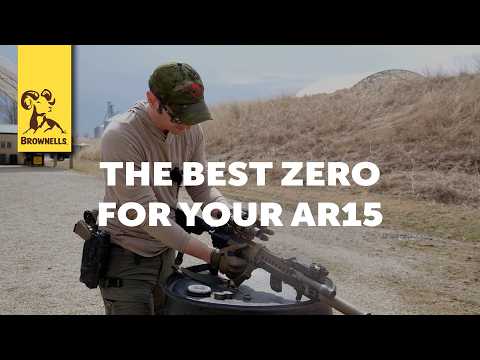
Red Dot Sighting Secrets

Published on December 12, 2025
Duration: 0:35

This video explains the critical concept of 'height over bore' or mechanical offset when using red dot sights on firearms. It demonstrates how the physical distance between the optic's line of sight and the barrel's bore affects bullet impact, especially at close ranges. The content highlights the need to compensate for this offset by aiming higher to ensure rounds hit the intended point of aim, particularly in scenarios like hostage rescue simulations.

Quick Summary

Height over bore (HOB) is the vertical distance between your firearm's barrel and your optic's line of sight. This offset means your bullet impacts below your aim point at close range. To compensate, you must aim slightly higher than the target, a crucial technique for accurate shooting with red dot sights.

Chapters

  1. 00:00Understanding Holdovers & Bore Offset
  2. 00:08Visualizing Height Over Bore Impact
  3. 00:19Compensating for Offset at Close Range

Frequently Asked Questions

What is 'height over bore' in firearms?

Height over bore (HOB) is the vertical distance between the center of your firearm's barrel and the center of your optic's line of sight. This difference is crucial because it means your bullet won't hit exactly where your red dot is aimed, especially at close distances.

Why is height over bore important for red dot sights?

Height over bore is critical for red dot sights because the optic is mounted significantly higher than the barrel. This offset causes the bullet to impact below the point of aim at close range. Understanding this allows you to compensate and hit your intended target accurately.

How do you compensate for height over bore?

To compensate for height over bore, especially at close ranges, you must aim slightly higher than your target. The exact amount depends on your optic's height and the distance to the target. Practicing this compensation is key for accurate shooting.

What are the typical zero distances mentioned for red dot sights?

The video mentions common zero distances like 25, 50, and 100 yards. Understanding how your zero interacts with height over bore at these distances is essential for predicting bullet impact and making necessary adjustments.

Related News

All News →

More Training & Techniques Videos You Might Like

More from GBRS Group

View all →