RELOADED: Ballistic Stats; Dry Fire; Defense Shotguns; Handing Down Guns: Gun Talk Radio| 12.24.17 A

Published on December 25, 2017
Duration: 44:22

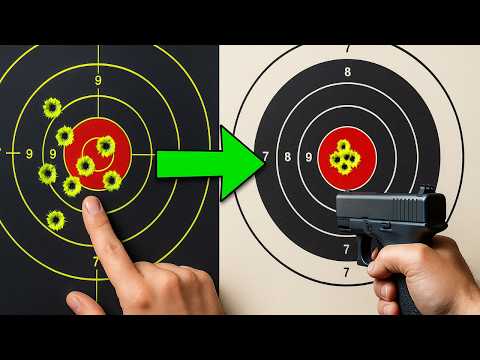
This video provides a detailed dry-fire drill to improve trigger control, specifically addressing the issue of the front sight dipping during the trigger pull. It emphasizes using dummy rounds to identify and correct trigger yanking, milking, or pulling, and advises on proper finger placement and a straight-back trigger press. The advice is applicable to various firearms, particularly handguns like the Glock 43 and 21, and is presented by Tom Gresham, a seasoned firearms communicator.

Quick Summary

Improve your trigger control with a simple dry-fire drill using dummy rounds. Mix them with live ammo and focus on a smooth, straight-back trigger press. When the 'click' occurs, observe if your front sight dips, indicating a trigger manipulation issue. Consciously correct this by pressing straight back without disturbing your aim, ensuring the front sight remains steady for improved accuracy.

Chapters

  1. 00:00Crimson Trace Laser Sights
  2. 00:26Introduction to Reloaded Gun Talk
  3. 01:14News Alert: Marijuana Card and Gun Ownership
  4. 02:30Ballistics by the Inch with Jim
  5. 05:11Ballistic Testing Data Discussion
  6. 09:22The Genesis of Ballistics by the Inch
  7. 10:08Cylinder Gap Impact on Revolvers
  8. 11:08Praise for Ballistics by the Inch Website
  9. 12:02Smith & Wesson M&P Shield M 2.0
  10. 13:01Crimson Trace Laser Guard Pro
  11. 13:35Gun Dealio App Promotion
  12. 14:28Springfield Armory Double Stack Pistols
  13. 15:09Caller Woody: Trigger Control Issues
  14. 16:41Trigger Control Dry Fire Drill Explained
  15. 20:04Front Sight Training Course Mention
  16. 20:37Caller from Arkansas
  17. 20:48Caller: 25-06 Semi-Auto Rifle Inquiry
  18. 21:12Noreen Firearms and 6.5 Creedmoor Suggestion
  19. 22:45Welcome Back to Gun Talk Reloaded
  20. 23:23Blink Home Security Cameras Promotion
  21. 24:49Caller Kevin: Passing Down Firearms
  22. 26:26Advice on Gifting Firearms Legally
  23. 31:14Concealed Carry Training DVDs
  24. 31:43Shotgun Talk Mention
  25. 31:50Black Hills Ammunition
  26. 32:31Caller Eddie: 22-250 and Caliber Options
  27. 34:42Caller Jared: Colt Cobra Revolver Review
  28. 36:32Caller: Shotgun Slug Safety and Use
  29. 39:48Caller Charlie: Philosophy on Firearms Use
  30. 41:15The Meaning of Firearms as Heirlooms
  31. 43:02Gun Talk Podcast and YouTube Content
  32. 44:17Closing Remarks

Frequently Asked Questions

How can I improve my trigger control to prevent my shots from going low?

To improve trigger control and prevent sight dip, use a dry-fire drill with dummy rounds. Mix them with live ammo and focus on a smooth, straight-back trigger press. When you hear the 'click,' observe if your front sight dips, indicating a trigger manipulation issue that needs correction.

What is the best way to practice trigger control without live ammunition?

Dry-fire practice with dummy rounds is highly effective for improving trigger control. By mixing dummy rounds with live ammunition, you can identify when the trigger is pulled incorrectly, causing the sight to dip, and then consciously work on a straight-back press without disturbing your aim.

How does barrel length affect bullet velocity in handguns?

Barrel length significantly impacts bullet velocity, with the most substantial gains occurring in shorter barrels (1-4 inches). As barrel length increases beyond 9-12 inches for most handgun cartridges, the velocity gains diminish, and the performance curve flattens out.

What are the legal implications of having a medical marijuana card and owning firearms?

Under federal law, possessing a medical marijuana card can prohibit you from owning firearms. The ATF is reportedly enforcing this, and there have been instances of firearms being confiscated from individuals who hold medical marijuana cards.

How can I ensure my firearms are passed down legally and properly?

To pass down firearms legally, if the recipient is in your state, you can often gift them directly. If they are in another state, you must transfer the guns through a licensed firearms dealer in their state, who will conduct the necessary background checks. Documenting the firearms' history can also add significant value.

More Training & Techniques Videos You Might Like

More from Gun Talk Media

View all →