Quick Summary

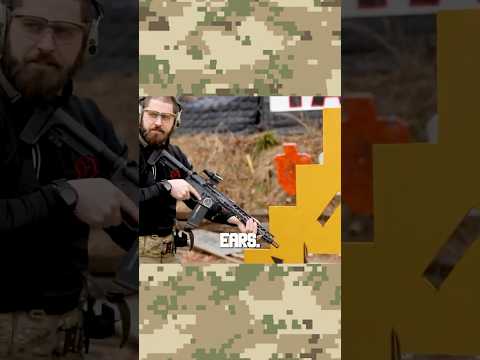
Offsetting from cover is a key tactical principle to avoid ricochets and fragmentation from incoming rounds. It also provides a wider field of view, allowing you to better assess threats from multiple angles. When exiting cover, plant your leg in line with it and keep your eyes in the optic for rapid target acquisition.

Chapters

  1. 00:27Close Range Engagement and Recoil
  2. 00:34Weapon Transition vs. Reload
  3. 00:44Meeting the Gun and Follow-Up Shots
  4. 01:32Cover Principles: Avoiding Ricochets
  5. 01:57Offsetting from Cover
  6. 02:07Exiting Cover and Target Acquisition
  7. 02:12Eye Placement and Threat Assessment
  8. 02:36Making Cover Work in Your Favor

Frequently Asked Questions

What is the primary benefit of offsetting from cover in a tactical scenario?

Offsetting from cover is crucial to avoid being hit by ricochets or fragmentation from rounds impacting your cover. It also allows for a wider field of view and better preparedness to engage threats from multiple angles.

When should you transition to a secondary weapon instead of reloading?

A transition to a secondary weapon is generally preferred over a reload when immediate engagement is critical. This is often the case in dynamic shooting scenarios where time is of the essence and a reload might introduce an unacceptable delay.

How should you manage recoil for faster follow-up shots?

To manage recoil for faster follow-up shots, the technique involves 'meeting the gun' sooner rather than faster, with preparation on the way out. This allows for better control and a quicker return to a stable shooting platform.

Where should your eyes be focused when exiting cover?

When exiting cover, your eyes should be in the optic, ready to acquire targets. Avoid searching broadly, as this can leave you vulnerable if a threat appears from an unexpected direction.

More Training & Techniques Videos You Might Like

More from Achilles Heel Tactical

View all →