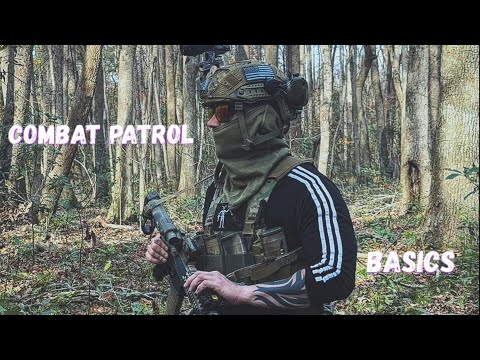
RIFLE SQUAD FORMATIONS and ORDER OF MOVEMENT

Published on February 4, 2026
Duration: 16:16

This video provides instruction on fundamental rifle squad formations and movement techniques, drawing from military doctrine like ATP 3-21.8 and the Ranger Handbook. It details the Squad Column Fire Team Wedge, Modified Wedge, and File formations, emphasizing their advantages and disadvantages for maintaining security and maneuverability. The instructor, a former senior NCO with extensive infantry experience, also covers essential hand and arm signals and the establishment of Objective Rally Points (ORPs) for tactical planning and reorganization.


Quick Summary

Learn essential rifle squad formations like the Wedge, Modified Wedge, and File, along with their tactical advantages and disadvantages. The video emphasizes the Wedge for its 360-degree security and covers hand signals and Objective Rally Points (ORPs) for effective tactical movement and planning.

Chapters

  1. 00:00Introduction & Threat Assessment
  2. 00:45Instructor's Background & Disclaimer
  3. 01:24Visual Examples & Resume
  4. 02:02Senior NCO Experience
  5. 02:32Channel Support & Community
  6. 03:32Formations and Order of Movement Overview
  7. 04:19Fire Team Structure
  8. 04:41Squad Structure
  9. 04:52Squad Column Fire Team Wedge
  10. 05:01Individual Roles & Responsibilities
  11. 05:43Team Leader Positions (Fixed vs. Unfixed)
  12. 06:32Hand and Arm Signal: Wedge
  13. 07:12Wedge Formation: Advantages & Security
  14. 07:41Hand and Arm Signal: Modified Wedge
  15. 08:30Modified Wedge (Staggered Column) & Accountability
  16. 09:13File Formation
  17. 09:23File Formation: Least Preferred
  18. 09:43Leader Positions in File Formation
  19. 10:13Objective Rally Point (ORP)
  20. 10:41What is an ORP?
  21. 11:24Establishing an ORP by Force
  22. 12:12ORP vs. Patrol Base
  23. 13:01Hand and Arm Signals Recap
  24. 13:10Halt Signal
  25. 13:17SEALS Signal
  26. 13:29SEALS Complete Signal
  27. 13:43Freeze Signal
  28. 13:56Weapon Control During Signals
  29. 14:04Visibility of Signals
  30. 14:12File Signal
  31. 14:16Staggered Column Signal
  32. 14:23ORP Signal
  33. 14:31Indicating Start Point for Signals
  34. 15:00Upcoming Topics: React to Contact, Assault, Break Contact
  35. 15:16Call to Action: Comments, Likes, Patches
  36. 15:35Conclusion & Sign Off

Frequently Asked Questions

What are the primary rifle squad formations discussed for tactical movement?

The video details the Squad Column Fire Team Wedge as the most preferred formation for its 360-degree security. It also covers the Modified Wedge (Staggered Column) as a secondary option and the File formation, which is the least preferred due to its vulnerability.

How is an Objective Rally Point (ORP) established and what is its purpose?

An ORP is established at least 500 meters from the enemy or a key terrain feature. Its purpose is to allow for staging equipment, planning, reconnaissance, reorganization, and to provide 360-degree security before follow-on operations.

What are the key hand and arm signals for tactical formations and movement?

Essential signals include Halt, SEALS, SEALS Complete, Freeze, Wedge, File, Staggered Column, and ORP. These signals must be clearly understood and executed by all team members for effective communication and coordination.

What is the recommended team and squad size for tactical formations?

A fire team typically consists of four individuals, often including a support weapon operator. A squad is composed of nine individuals, organized into two fire teams and led by a squad leader.

More Training & Techniques Videos You Might Like

More from Trench Grenade

View all →