RTT Range Day 6/19/21 - Gym Memberships and CQB?

Published on June 24, 2021
Duration: 21:14

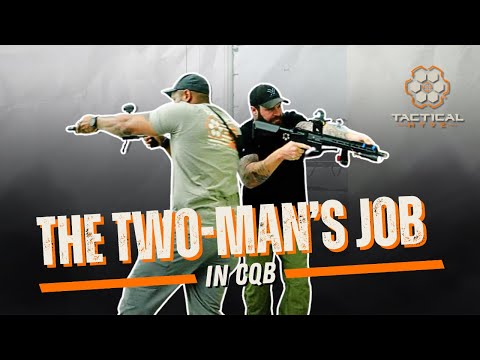
This video demonstrates the 'pieing' technique for safely entering rooms or hallways, emphasizing gradual exposure and awareness. The instructor, with apparent experience in firearms instruction, details how to approach corners and doorways, incrementally increasing visibility to identify threats before fully committing to entry. Proper footwork and muzzle control are highlighted as critical components for a fluid and effective entry.


Quick Summary

The 'pieing' technique in firearms training involves approaching corners or doorways at an angle to gradually increase visibility, allowing for safe observation of the space beyond. Proper footwork and awareness of the 'fatal funnel' are critical for a fluid and effective entry.

Chapters

  1. 00:00Introduction & Range Day Prep
  2. 00:58Gym Membership & Fitness Goals
  3. 03:21Gym Sign-up Process & Payment Issues
  4. 06:27Transition to Desert Shooting Location
  5. 06:37Gray Man Tactical Seat Back Review
  6. 08:00Engaging Multiple Targets Drill
  7. 08:44Arriving at the Old Sasco Smelter Range
  8. 09:42Ammunition Used: EQI Steel & Magtech Brass
  9. 10:39Setting Up for CQB Training
  10. 11:41Piecemeal Corner Entry (Pying) Explained
  11. 13:41Footwork and Entry Dynamics
  12. 16:08Importance of Repetition and Team Training
  13. 17:00Extreme Heat Warning & Conclusion

Frequently Asked Questions

What is the 'pieing' technique in firearms training?

The 'pieing' technique is a method for safely approaching and entering a space, like a room or hallway. It involves moving around a corner or doorway at an angle, gradually increasing your field of vision to observe potential threats before fully committing to entry.

Why is proper footwork important during CQB entry?

Proper footwork, such as using stutter steps or skip steps, is crucial during CQB entry to maintain balance and stability. This allows you to move fluidly, avoid tripping, and be ready to engage threats immediately upon entering a space.

How does an instructor emphasize the need for repetition in tactical training?

An experienced instructor highlights that mastering techniques like pieing requires extensive repetition, potentially taking half a day for introductory training alone. Thousands of reps are necessary over time to build proficiency and muscle memory.

What are the benefits of consistent team training for tactical scenarios?

Consistent training with the same team members fosters unity, quickness, and seamless teamwork. This cohesion is vital for effective tactical operations and cannot be replicated by frequently switching training partners.

More Training & Techniques Videos You Might Like

More from RTT : Guns & Gear

View all →