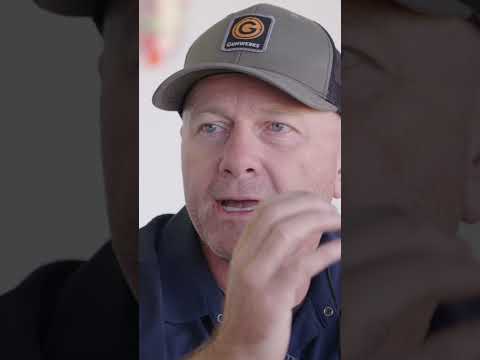
Scoped Carbine Mid-Range Practice

Published on March 2, 2025
Duration: 4:39

This video demonstrates mid-range practice with a scoped carbine, focusing on adjusting for wind and understanding ballistic dope. The shooter highlights the importance of using the reticle for wind holds and notes how environmental factors can affect accuracy, requiring adjustments to the aiming point.

Quick Summary

Mid-range shooting with a scoped carbine requires understanding ballistic dope and compensating for wind. Shooters can use their scope's reticle, often with mil-dots, to apply wind holds by aiming off-target into the wind, adjusting for its drift.

Chapters

  1. 01:26Target Identification
  2. 01:56Adjusting for Distance (380 to 480)
  3. 02:19Engaging at 545 Yards
  4. 03:15Assessing Dope and Wind
  5. 03:31Wind Hold Technique
  6. 04:25Wind Variability and Adjustments

Frequently Asked Questions

How does wind affect shooting a scoped carbine at mid-range?

Wind significantly impacts bullet trajectory at mid-range. Shooters must compensate by adjusting their aim, often using the reticle's measurement system (like mil-dots) to hold into the wind and counteract its drift.

What is 'dope' in the context of rifle shooting?

Dope refers to the ballistic adjustments needed for a specific rifle and ammunition combination at a given distance. This includes sight adjustments (elevation and windage) to ensure the bullet hits the intended point of aim.

How can a shooter use their scope's reticle for wind compensation?

Many modern rifle scopes feature reticles with measurement units like Mils or MOA. Shooters can use these markings to estimate wind speed and direction, then apply a corresponding 'wind hold' by aiming off-target into the wind.

Why is it important to practice mid-range shooting with a scoped carbine?

Mid-range practice is crucial for developing marksmanship skills, understanding ballistic performance, and learning to compensate for environmental factors like wind. It helps refine dope and wind-holding techniques for greater accuracy.

More Training & Techniques Videos You Might Like

More from Concrete Cowboy

View all →