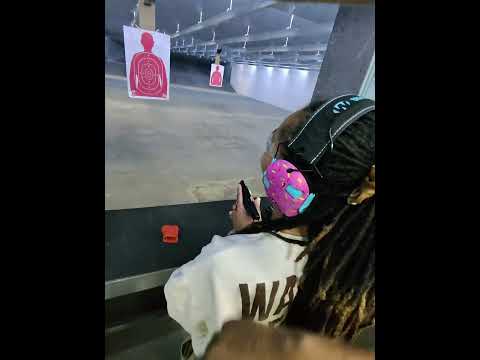
Shoot Fast & Accurately - EP. 5: Trigger Control

Published on May 5, 2015
Duration: 7:07

This guide details aggressive trigger control techniques for achieving fast and accurate shooting in combat scenarios, as demonstrated by Lenny Magill, CEO/Founder of GlockStore. It emphasizes understanding the trigger break, proper finger placement, and maintaining a flexible grip to prevent anticipation and enhance control, contrasting it with traditional bullseye methods. The instruction highlights that with proper integration of grip, stance, and sight picture, tight groupings are achievable even at speed.

Quick Summary

Master aggressive trigger control for combat accuracy by actively managing the trigger press to know precisely when the shot will break. Use the upper quarter of your trigger finger and maintain a firm, yet flexible grip to prevent anticipation and achieve fast, controlled follow-up shots.

Chapters

  1. 00:21Introduction to Trigger Control
  2. 00:37Traditional vs. Combat Trigger
  3. 01:15Aggressive Trigger Control for Speed
  4. 01:47Understanding Trigger Break
  5. 02:22Trigger Finger Placement & Sensitivity
  6. 03:22Feeling the Trigger Break
  7. 04:05Grip and Trigger Finger Flexibility
  8. 05:07Live Fire Demonstration
  9. 05:52Conclusion & Next Episode Tease

Frequently Asked Questions

What is the key difference between traditional and combat trigger control?

Traditional bullseye shooting uses a slow, surprising trigger squeeze for precision. Combat accuracy and speed demand an aggressive, controlled trigger press where the shooter actively anticipates and manages the shot break for faster follow-up shots.

How should the trigger finger be placed for optimal control?

For optimal control and sensitivity, use the upper quarter or tip of your trigger finger. This placement provides better feedback and allows for a more precise, controlled press than using the knuckle or joint.

What grip pressure is recommended for effective trigger control?

A firm grip is crucial, with approximately 60% pressure from the dominant hand and 80-90% from the support hand. This allows the trigger finger to remain loose and flexible, preventing tension that can disrupt the shot.

What are acceptable group sizes for combat accuracy?

For combat accuracy, groups of around 4 inches are considered acceptable. This differs significantly from the sub-1-inch groups typically aimed for in precision shooting disciplines.

Related News

All News →

More Training & Techniques Videos You Might Like

More from GlockStore

View all →