Should You Give a Verbal Warning Before Shooting? | Gun Talk Radio

Published on October 19, 2021
Duration: 10:56

This discussion emphasizes the critical importance of mental flexibility and stress inoculation for effective decision-making in high-stress situations, particularly for law enforcement and concealed carriers. It highlights that real-world encounters are unpredictable, requiring adaptation beyond pre-planned tactics. The conversation also stresses the value of heightened situational awareness and trusting one's intuition, drawing parallels to concepts like 'The Gift of Fear' and the 'Safety First Habit'.

Quick Summary

Mental flexibility is the most critical skill for handling stressful situations, enabling adaptation and problem-solving. Developing this, along with situational awareness and trusting intuition, improves decision-making under pressure. Force-on-force training and proactive habits like the 'Safety First Habit' are key to preparedness.

Chapters

  1. 00:05Introduction to Gun Talk Radio Segment
  2. 00:16Author Brian McKenna and 'Cops Under Fire'
  3. 01:12Police Training and Verbal Warnings
  4. 01:39Legal Issues and Difficult Decisions
  5. 02:01Complexity of Thinking Under Stress
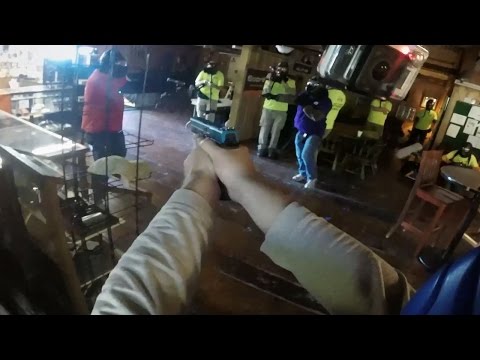
  6. 02:17Stress Inoculation and Force-on-Force Training
  7. 02:51The Critical Skill: Mental Flexibility
  8. 03:10Unpredictable Fights and Adaptation
  9. 03:28Short Duration of Police Gunfights
  10. 03:43Lack of Practice in Real Encounters
  11. 04:00Examples of Unexpected Encounters
  12. 04:26Tips for Concealed Carriers
  13. 04:49The 'Safety First Habit'
  14. 05:14Making Awareness a Game
  15. 06:22Habitual Awareness for Preparedness
  16. 06:40Trusting Instincts and Intuition
  17. 07:13The Importance of 'The Gift of Fear'
  18. 08:11Building Confidence and Reducing Stress
  19. 08:45Stress as a Killer of Good Thinking
  20. 08:56Recommendation for 'Cops Under Fire'
  21. 09:13Where to Purchase the Book
  22. 09:49Author's Passion and Mission
  23. 10:08Correcting Misconceptions About Police Work
  24. 10:27Final Recommendation and Call to Action

Frequently Asked Questions

What is the most critical mental skill for dealing with stressful situations?

Mental flexibility is considered the most critical mental skill for dealing with stressful situations. It allows individuals to adapt to unforeseen circumstances and problem-solve effectively, especially in high-pressure environments like self-defense encounters or law enforcement engagements.

How can individuals improve their decision-making under stress?

Improving decision-making under stress involves developing mental flexibility, practicing stress inoculation through methods like force-on-force training, and building confidence in one's ability to handle dangerous situations. Reducing stress levels directly enhances cognitive function and leads to better choices.

What is the 'Safety First Habit' for situational awareness?

The 'Safety First Habit' is a proactive approach to situational awareness where you make a game of assessing your surroundings everywhere you go. This involves identifying potential threats, planning escape routes, and considering what could be dangerous, thereby increasing your time to adjust or avoid threats.

Why is it important to trust your intuition in potentially dangerous situations?

Trusting your intuition is vital because your subconscious mind often picks up on subtle cues that your conscious mind misses. This intuition can manifest as a feeling of anxiety, signaling potential trouble and prompting you to take precautionary measures, as discussed in 'The Gift of Fear'.

More Training & Techniques Videos You Might Like

More from Gun Talk Media

View all →