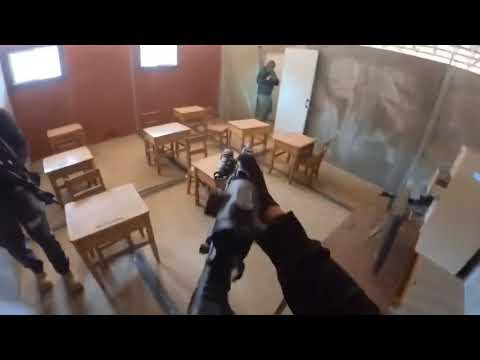
So you want to do CQB….

Published on December 21, 2023
Duration: 53:54

This guide outlines fundamental Close Quarters Battle (CQB) techniques, emphasizing minimalist kit, weapon retention, and the 'Silence, Violence, Silence' principle. It details team entry strategies, room clearing procedures, threat engagement, and safety protocols, stressing the importance of teamwork and situational awareness. The instruction is delivered by an individual with extensive military experience in CQB.


Quick Summary

Essential CQB gear includes minimalist kit, body armor (front, back, side plates), a ballistic helmet, a semi-automatic rifle (11.5-inch barrel recommended), and a handgun with level 2/3 retention. The 'Silence, Violence, Silence' principle guides movement and engagement, emphasizing extreme decisiveness during combat and quiet control afterward.

Chapters

  1. 00:00Introduction to CQB
  2. 01:02Patreon and Channel Support
  3. 02:23Kit Setup for CQB
  4. 04:05Handgun and Holster Setup
  5. 06:23Instructor's Background and Expertise
  6. 09:52Silence, Violence, Silence Principle
  7. 11:52The Reality of Fear in CQB
  8. 18:40One-Man CQB is Not Possible
  9. 21:30Four-Man Stack Entry (Center Fed)
  10. 25:05Rules of Engagement in CQB
  11. 26:16Corner Fed Room Entry
  12. 28:34Priorities of Work in the Room
  13. 30:11Clearing High, Low, Living, and Dead
  14. 33:45Malfunctions and Taking a Knee
  15. 35:20Conclusion and Q&A

Frequently Asked Questions

What are the essential gear requirements for CQB according to the instructor?

For CQB, essential gear includes minimalist and slick kit for mobility. This means body armor with front, back, and side plates, a ballistic helmet, a semi-automatic rifle (ideally 11.5-inch barrel with a red dot), and a handgun with a level 2 or 3 retention holster.

What is the 'Silence, Violence, Silence' principle in CQB?

The 'Silence, Violence, Silence' principle dictates maintaining absolute quiet while approaching and entering a structure. During the engagement, extreme violence and decisiveness are required. After the threat is neutralized, silence and control must be re-established to maintain security.

Why is one-man CQB considered impossible and dangerous?

One-man CQB is considered impossible and extremely dangerous because it drastically reduces survival odds. CQB requires teamwork and mutual support. A single operator cannot effectively cover all angles, manage multiple threats, or provide security for themselves, making them highly vulnerable.

How should a team enter and clear a room in CQB?

Teams should enter rooms without stopping in the doorway (fatal funnel). Number one man clears their sector and corner, followed by number two man entering opposite. The team maintains interlocking sectors of fire, clearing high and low, and then addresses living and deceased threats.

Related News

All News →

More Training & Techniques Videos You Might Like

More from Trench Grenade

View all →