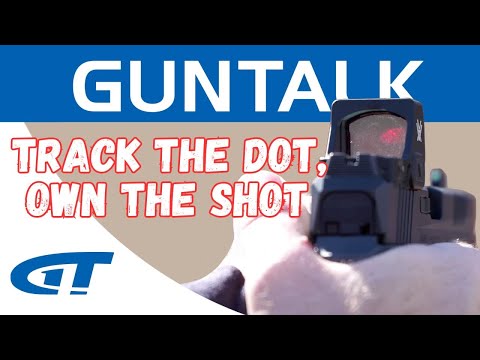
Stay Locked In Under Pressure

Published on August 2, 2026
Duration: 8:48

This guide, from firearms instructor Joel Park, addresses the common issue of losing target focus after hitting a no-shoot target during rapid fire. The core principle is to remain non-reactive to mistakes, continuing to focus on the intended target area and utilizing subsequent shots to compensate rather than dwelling on the error in the moment. This technique is crucial for maintaining accuracy and efficiency under pressure in shooting sports.


Quick Summary

To avoid diverting focus after hitting a no-shoot target, remain non-reactive. Continue focusing on the intended target area and use visual or tactile feedback to understand shot placement. Resist the urge to look at the penalty area; instead, maintain your sight picture for subsequent shots and make up for any errors later.

Chapters

  1. 00:00Listener Question: No-Shoot Focus
  2. 00:24Instructor's Personal Experience
  3. 00:52The 'Hit Where You Look' Principle
  4. 01:15The Difficulty of Non-Reactivity
  5. 01:43Handling Imperfect Grips
  6. 02:03Visual and Tactile Feedback
  7. 02:28Staying Target Focused After a Miss
  8. 02:37Two Ways to Get Feedback
  9. 02:52Not Compounding Problems
  10. 03:00The Power of Non-Reaction
  11. 03:16Broader Applications of Non-Reactivity
  12. 03:37Avoiding Undisciplined Lunacy
  13. 03:50Making Up Ground vs. Staying Consistent
  14. 04:14Reacting to Events vs. Staying on Plan
  15. 04:28Recap: Maintaining Target Focus
  16. 04:52Final Advice: Keep Looking, Make Up Shots

Frequently Asked Questions

How can I avoid diverting my focus after hitting a no-shoot target during rapid fire?

The key is to remain non-reactive. Instead of looking at the no-shoot, continue to focus on the intended target area. Use visual cues like the sight dot or tactile feedback from your hands to understand if a shot went astray, but maintain your sight picture for the next shot.

What is the 'hit where you look' principle in shooting?

This principle means that your firearm will tend to go where your eyes are directed. If you look at a no-shoot target after a mistake, you increase the likelihood of sending subsequent shots to that penalty area.

How do I get feedback on my shooting without looking at the target?

You can get feedback visually by watching your sight's dot during the shot, or tactilely by feeling your hand's pressure, grip clamp, or how you're managing recoil. These cues can tell you if a shot was off without needing to divert your gaze.

Should I try to 'make up' for a penalty shot immediately?

No, it's generally better to stay non-reactive. Continue with your planned shooting cadence, aiming for the correct target. If a penalty occurred, you can address it by making up shots on the intended target afterward, rather than disrupting your focus in the moment.

Related News

All News →

More Training & Techniques Videos You Might Like

More from Joel Park

View all →