Test Firing a New Rifle & Learning from the First Few Rounds

Published on April 29, 2020
Duration: 7:29

This video demonstrates essential post-shot analysis of spent casings to assess rifle function and potential issues. Key indicators include ejection pattern, primer impact clarity, and shell deflector marks, which can reveal problems like over-gassing or firing pin drag. The instructor also tests heavier bullet weights in a rifle with a fast twist rate.

Quick Summary

Analyzing spent casings after test firing a rifle is crucial for diagnosing its function. Look for consistent ejection patterns, crisp primer impacts, and proper shell deflector marks. Damaged casing mouths can indicate over-gassing, while clear primer strikes confirm firing pin function.

Chapters

  1. 00:00Introduction and Test Firing Setup
  2. 00:33Breaking Down a Rifle for Inspection
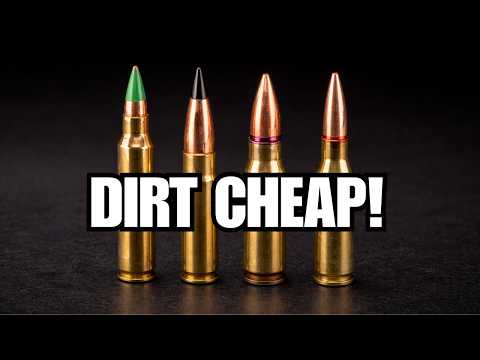
  3. 01:04Ammunition Details: 5.56 NATO
  4. 01:31First Test Fire and Ejection Pattern Check
  5. 02:10Spent Casing Analysis: Ejection and Primer Impact
  6. 03:03Shell Deflector Impact Analysis
  7. 04:39Wind Conditions and Ammunition Testing
  8. 04:47Pine Valley Munitions Sample Testing
  9. 05:38Testing Heavier Bullets: 77 Grain MatchKing
  10. 06:11Results of Heavier Bullet Test
  11. 06:17Video Wrap-up and Call to Action

Frequently Asked Questions

What can spent casings tell you about a rifle's performance?

Spent casings provide vital diagnostic information. Their ejection pattern indicates cycling reliability, while primer impact clarity reveals firing pin function. Marks on the casing neck or mouth can signal issues with gas system pressure or bolt carrier speed, helping to identify potential malfunctions before they become serious problems.

How do you check for over-gassing in an AR-15 style rifle?

One indicator of an over-gassed rifle is damage to the casing mouth or flattening of the casing. This suggests the bolt carrier is moving too fast, causing the casing to be forcefully ejected and potentially bent or deformed. Proper ejection involves a clean impact on the casing neck, deflecting it correctly.

What is the significance of primer impact marks on spent casings?

The clarity of the primer impact mark on a spent casing is important. A crisp, well-defined strike suggests the firing pin is functioning correctly. Smearing or drag marks around the primer can indicate that the firing pin is sticking or dragging, which might point to a problem with the bolt or firing pin mechanism.

Can a rifle's twist rate affect its ability to stabilize heavier bullets?

Yes, a rifle's twist rate is crucial for stabilizing bullets. A faster twist rate, such as 1:7, is generally designed to stabilize longer, heavier bullets like 77-grain rounds. Slower twist rates may struggle to stabilize these heavier projectiles, leading to less accurate shots.

Related News

All News →

More Training & Techniques Videos You Might Like

More from The VSO Gun Channel

View all →