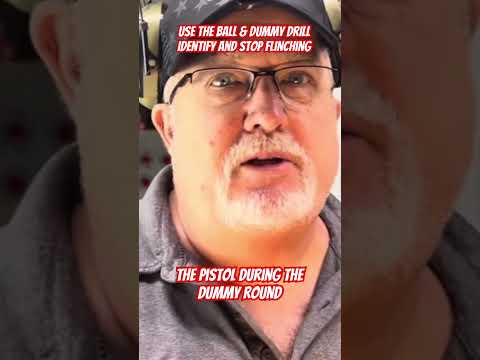
The Ball And Dummy Drill

Published on December 11, 2023
Duration: 0:59

Kevin Creighton from Shooting Illustrated explains the Ball and Dummy Drill, a valuable self-diagnostic tool for improving trigger control. By incorporating dummy rounds into a magazine or cylinder without the shooter's knowledge, this drill reveals flinching and poor trigger manipulation that recoil might otherwise mask. Consistent aim during the 'click' of a dummy round indicates good trigger discipline.


Quick Summary

The Ball and Dummy Drill is a self-diagnostic tool for improving trigger control. By incorporating dummy rounds into your magazine or cylinder, you can identify flinching and poor trigger manipulation that recoil might otherwise mask, leading to more accurate shooting.

Chapters

  1. 00:00Introduction to Ball and Dummy Drill
  2. 00:09How the Ball and Dummy Drill Works
  3. 00:23Diagnosing Trigger Pull Issues
  4. 00:43Drill Demonstration and Outcome
  5. 00:53Conclusion and Call to Action

Frequently Asked Questions

What is the Ball and Dummy Drill and why is it useful?

The Ball and Dummy Drill is a training exercise designed to diagnose trigger pull issues. By mixing live rounds with dummy rounds in a magazine or cylinder, shooters can identify flinching or poor trigger control that recoil might otherwise mask, leading to improved accuracy.

How do you perform the Ball and Dummy Drill?

To perform the drill, load a magazine with live rounds and at least one dummy round, or have a partner randomly place a dummy round in a revolver cylinder. The shooter should not know the location of the dummy round. Fire the weapon and observe your control when a 'click' occurs instead of a 'bang'.

What common shooting errors can the Ball and Dummy Drill help identify?

This drill is particularly effective at revealing flinching, muzzle dip, and other forms of involuntary movement that occur when a shooter anticipates recoil. Without the masking effect of recoil, these errors become plainly visible during the 'click' of a dummy round.

What should a shooter look for during the Ball and Dummy Drill?

During the drill, a shooter should focus on maintaining a consistent sight picture and grip when a dummy round is encountered. Any deviation, such as the muzzle dipping or the shooter recoiling, indicates a trigger pull issue that needs correction.

Related News

All News →

More Training & Techniques Videos You Might Like

More from NRApubs

View all →