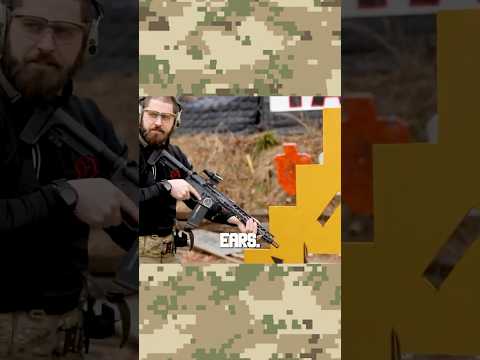
The Firearms Industry Has an Ego Problem

This video discusses the prevalent issue of ego within the firearms industry, which often overshadows effective instruction. It advises individuals seeking training to prioritize an instructor's ability to communicate and align with their personal goals over their social media presence or competitive achievements. The speaker emphasizes that being a good shooter does not automatically equate to being a good teacher, and encourages students to research instructors thoroughly, contact them directly, and assess if their teaching style and message fit the student's objectives. The importance of well-rounded training, including cross-pollination between defensive and competitive disciplines, is also highlighted.

Quick Summary

Choosing a firearms instructor involves looking beyond social media hype and competitive accolades. Prioritize instructors whose teaching style and message align with your specific training goals. Remember, being a skilled shooter doesn't automatically make someone a good teacher; effective communication and student growth are key indicators of quality instruction.

Chapters

  1. 00:00The Ego Problem in Firearms Instruction
  2. 00:07Egos vs. Bad Information
  3. 00:21Social Media's Influence on Instructors
  4. 00:43Controlling Your Own Training Journey
  5. 00:49Choosing the Right Instructor for Your Goals
  6. 00:67Competitive Shooter vs. Defensive Instructor
  7. 00:77Key Figures in Firearms Training
  8. 00:82How to Vet a Firearms Instructor
  9. 00:95Matching Instructor to Your Goals
  10. 01:09Instructors Validating Themselves on Social Media
  11. 01:22Good Shooter vs. Good Teacher
  12. 01:39The Difference in Skill Sets
  13. 01:54Communicating Skills Effectively
  14. 01:59Student Experience and Value for Money
  15. 01:84Pat McNamara's Insights on Pedigree
  16. 01:98Civilian Instructors and Teaching Ability
  17. 02:08Civilian Instructor Example
  18. 02:21Personal Preference in Training
  19. 02:35Not Telling You Who to Train With
  20. 02:46Your Money, Your Decision
  21. 02:58Weighting Your Opinion on Instructors
  22. 03:06World-Class Splits vs. Your Goals
  23. 03:21Don't Let Social Media Dictate Training
  24. 03:31Direct Experience vs. Hearsay
  25. 03:40Front-Facing Approach vs. Instructor Ability
  26. 03:50Facts vs. Personal Opinion
  27. 03:55Do Your Research for Your Goals
  28. 04:05Specialization in Teaching vs. Shooting
  29. 04:12Different Learning Styles and Classes
  30. 04:17Your Decision, Your Money
  31. 04:26Encouragement to Train
  32. 04:36The Importance of Being Well-Rounded
  33. 04:49Different Situations, Different Skill Sets
  34. 04:58Cross-Pollination for Well-Roundedness
  35. 05:01Sharing Your Experiences
  36. 05:14Stay Training, Stay Safe

Frequently Asked Questions

What is the biggest issue in the firearms industry according to this instructor?

The speaker frequently observes that ego is a significant issue within the firearms industry, often overshadowing the quality of instruction. This ego can lead to instructors prioritizing their online image or personal validation over effective teaching methods, sometimes resulting in personal attacks in discussions.

How should individuals choose a firearms instructor?

When choosing a firearms instructor, individuals should research their offerings, contact them directly, and assess if their teaching style and message align with personal training goals. Prioritizing an instructor's ability to communicate and facilitate growth is more important than their social media popularity or competitive shooting achievements.

Does being a good shooter automatically make someone a good firearms instructor?

No, being a good shooter does not automatically equate to being a good teacher. The speaker emphasizes that teaching is a completely different skill set that requires effective communication and the ability to transfer knowledge, which is distinct from an individual's personal shooting proficiency.

Why is it important to be well-rounded in firearms training?

Being well-rounded in firearms training is crucial because different situations require different skill sets and solutions. Cross-pollinating between disciplines like defensive shooting and competitive shooting can enhance overall proficiency and problem-solving capabilities, making individuals more adaptable.

Related News

All News →

More Training & Techniques Videos You Might Like

More from Richardson Precision & Training

View all →