The Mile Shot

Published on April 30, 2015
Duration: 21:00

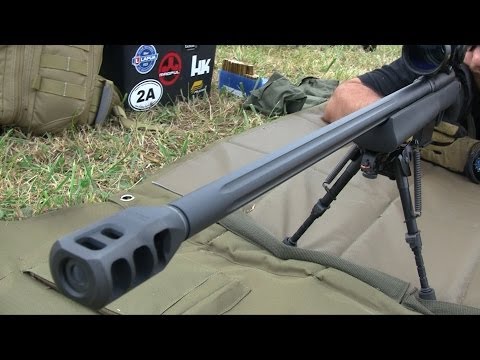
This video details the extreme challenge of making a one-mile rifle shot, drawing on the expertise of Larry Vickers, a retired US Special Operations veteran. The process involves meticulous zeroing, understanding complex ballistics, accounting for significant wind drift, and overcoming equipment challenges. The successful execution demonstrates advanced marksmanship and logistical planning required for extreme long-range engagements.

Quick Summary

Making a one-mile rifle shot requires overcoming extreme ballistics challenges, primarily bullet drop and wind drift. A 1 mph wind can cause a 2.4-inch drift at this distance, while gusts up to 15 mph can shift the bullet 30 feet. Precise calculations, high-quality optics, and secure equipment are vital for success.

Chapters

  1. 00:00Introduction to the Mile Shot
  2. 01:19The Inspiration: Scott's Story
  3. 02:42Zeroing at 400 Yards
  4. 05:45Stepping Up to 800 Yards
  5. 08:10The One-Mile Attempt
  6. 13:42Success and Confirmation

Frequently Asked Questions

What are the key challenges in making a one-mile rifle shot?

The primary challenges include extreme bullet drop, significant wind drift (up to 30 feet at 1 mile with gusts), precise calculation of ballistic solutions, and potential equipment failures like scope mount issues under stress. Accurate environmental data is crucial.

How does wind affect a bullet at one mile?

Even a 1 mph wind can drift a bullet 2.4 inches at one mile. Stronger gusts, between 8-15 mph, can cause drifts of up to 30 feet, necessitating significant compensation in aiming.

What equipment is essential for extreme long-range shooting?

Essential equipment includes a high-precision rifle chambered in a suitable caliber (like .338 Lapua Magnum), powerful magnification optics (e.g., 25x or higher), a reliable spotting scope for observation, and communication devices between shooter and spotter.

What is MOA and how is it relevant to a mile shot?

MOA stands for Minute of Angle. At one mile (1760 yards), 1 MOA equates to approximately 18 inches of bullet drift or drop. Understanding MOA is critical for calculating the necessary sight adjustments to hit a distant target.

More Training & Techniques Videos You Might Like

More from Vickers Tactical

View all →