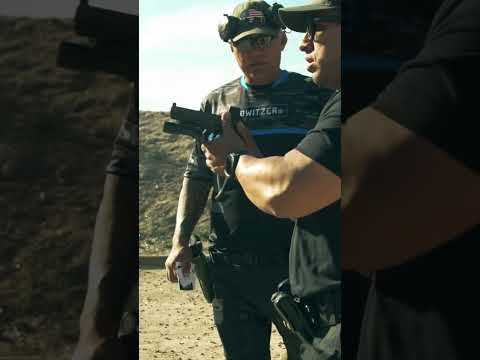
The MSP Podcast #35: John Correia of ASP - Hey? Why Are You Doing That?

Published on November 7, 2019
Duration: 58:41

This episode of The MSP Podcast features John Correia of Active Self-Protection discussing common firearms training practices that lack real-world evidence. Correia and host discuss the rarity of kneeling in gunfights, the inefficiency of retaining magazines, the low probability of needing a reload in civilian encounters, and the importance of focusing on high-probability skills. They emphasize evidence-based training, drawing from real-world data to inform practice, and question the necessity of certain drills like the startle response or extensive one-handed shooting techniques.

Quick Summary

John Correia of Active Self-Protection emphasizes evidence-based firearms training, noting that techniques like kneeling, magazine retention, and the startle response are rarely observed in real-world civilian gunfights. He advocates for focusing on high-probability skills and safe practices, like deliberate holstering, over rarely needed maneuvers.

Chapters

  1. 00:00Podcast Intro & Sponsors
  2. 00:30Guest Introduction: John Correia (ASP)
  3. 01:34Active Self-Protection Channel Overview
  4. 02:35John Correia's Training Hours & Philosophy
  5. 04:54The Rarity of Kneeling in Gunfights
  6. 07:05Military Doctrine vs. Civilian Context
  7. 10:10Gunfights as 5-Second Events
  8. 13:40Pareto Principle in Firearms Training
  9. 13:55Slide Stop vs. Power Stroke Reload
  10. 16:24Magazine Retention in Self-Defense
  11. 20:06Reload Frequency in Gunfights
  12. 21:54The "Narnia" Principle of Gear
  13. 25:10Competition vs. Self-Defense Tactics
  14. 26:28Cover vs. Concealment in Engagements
  15. 28:19The Fast Draw: Necessity and Risk
  16. 30:06Drawing on a Drawn Gun Analysis
  17. 33:31Draw Stroke Standards (1.0-1.5 seconds)
  18. 36:02One-Handed Draw Techniques
  19. 38:36Startle Response and Hands-Up Posture
  20. 40:40One-Handed Shooting in Encounters
  21. 43:47Range Hocus Pocus: Scan and Assess
  22. 49:47Essential Skills vs. Niche Techniques
  23. 50:01Safe Holstering Technique Importance
  24. 54:58Get It Off Your Chest: Stop Excuses
  25. 56:16Dry Fire Practice is Life
  26. 56:50Where to Find John Correia (ASP)
  27. 57:23Where to Find Modern Samurai Project

Frequently Asked Questions

Why is kneeling rarely seen in civilian gunfights?

Kneeling is rarely seen in civilian gunfights because it's often imported from military doctrine and doesn't suit the fast-paced, dynamic nature of civilian encounters. The time required to assume a kneeling position is usually not available, and it offers minimal tactical advantage in most private citizen self-defense situations.

Is magazine retention important in a civilian self-defense scenario?

Magazine retention is generally not considered important in civilian self-defense. Unlike military engagements requiring multiple fights, a civilian gunfight is typically a single, decisive event. Reloading quickly is more critical than retaining the empty magazine.

What is the probability of needing a reload in a civilian gunfight?

The probability of needing a magazine reload in a civilian concealed carry gunfight is extremely low, estimated at less than 0.2% of analyzed encounters. The focus should be on the ammunition available in the firearm at the start of the fight, as reloads are a rare necessity.

Why is a slow, deliberate holstering technique emphasized?

A slow, deliberate holstering technique is emphasized for safety and reliability, especially under stress. Rushing to holster can lead to malfunctions or accidents, such as a shirt getting caught in the holster. Prioritizing a safe and correct holster process over speed is crucial.

More Training & Techniques Videos You Might Like

More from Modern Samurai Project

View all →