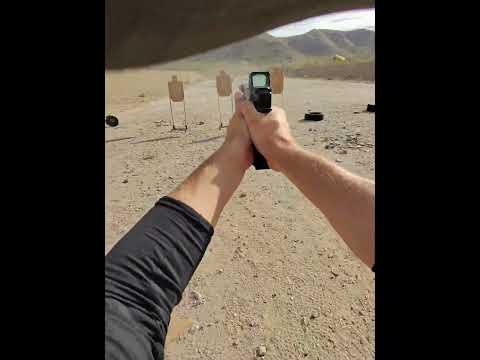
The Seatbelt pattern

Published on December 22, 2025
Duration: 4:44

This video from Ben Stoeger provides an expert-level breakdown of diagnosing shooting errors through target analysis, focusing on the 'seatbelt' pattern. Stoeger explains how visual cues and improper hand mechanics, particularly from the dominant hand, can lead to this specific shot group deviation. The instruction emphasizes consistent grip and support hand function, advocating for a methodical approach to correcting one fundamental flaw at a time.

Quick Summary

The 'seatbelt' shooting pattern, characterized by shots moving high right to low left, is often caused by overcompensating with a red dot sight or excessive dominant hand input. Ben Stoeger emphasizes analyzing target patterns to diagnose issues like inconsistent grip and support hand mechanics, advising shooters to correct one fundamental flaw at a time for improved accuracy.

Chapters

  1. 00:00Introduction to Target Analysis
  2. 00:15The Seatbelt Pattern Explained
  3. 01:23Dominant Hand Input and Grip
  4. 02:29Grip Consistency After Draw
  5. 03:02Support Hand Mechanics and Focus

Frequently Asked Questions

What is the 'seatbelt' shooting pattern?

The 'seatbelt' pattern is a common shot group deviation where shots consistently move from high right to low left on the target. It's often caused by overcompensating when aiming with a red dot sight or by excessive, uncontrolled input from the dominant hand during the shot process.

How can dominant hand input affect shot accuracy?

Excessive pressure or manipulation from the dominant hand, such as in the knuckles, can physically shift the point of aim during the shot. This uncontrolled input is a primary cause of shot drift and patterns like the 'seatbelt'.

Why is grip consistency important after the draw?

Inconsistent grip pressure immediately after drawing the firearm can lead to errors early in a shooting string. Establishing a solid, repeatable grip from the outset is crucial for consistent shot placement and accuracy.

What is the best approach to correcting shooting errors?

According to Ben Stoeger, the most effective approach is to focus on correcting one fundamental issue at a time. Trying to fix multiple errors simultaneously can lead to confusion and hinder progress in improving shooting performance.

More Training & Techniques Videos You Might Like

More from Ben Stoeger

View all →