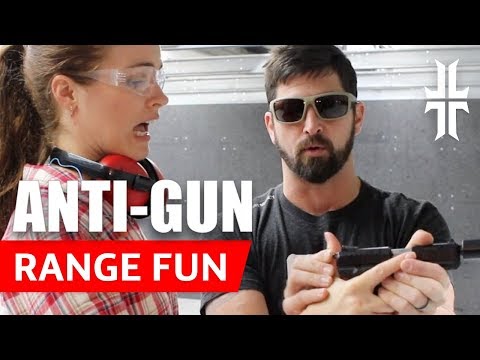
The Shooting Range PLATEAU | Lessons from War Fighters

Published on April 13, 2019
Duration: 14:28

Instruction from John Lovell of Warrior Poet Society emphasizes that true effectiveness in firearms and combat relies on Mindset > Tactics > Skills > Gear. He stresses the critical importance of developing a combat mindset to overcome fear and stress, which flat-range proficiency alone cannot achieve. Real-world experience and stress inoculation through force-on-force training are vital for performance under duress.

Quick Summary

John Lovell of Warrior Poet Society teaches that Mindset > Tactics > Skills > Gear is the hierarchy for combat effectiveness. He stresses that real-world performance under fear and stress, developed through force-on-force training, is more critical than flat-range proficiency or expensive equipment.

Chapters

  1. 01:02Mindset, Tactics, Skills, Gear Hierarchy
  2. 02:20Beyond Flat Range Proficiency
  3. 02:55Developing Mindset for Combat
  4. 05:05Real-World Experience vs. Range Skills
  5. 07:29Importance of Fear and Stress Training
  6. 09:02Courage vs. Skill in Combat
  7. 10:20Learning from All Training Disciplines
  8. 12:49Personal Journey and Training Context

Frequently Asked Questions

What is the most important factor in firearms effectiveness according to Warrior Poet Society?

John Lovell of Warrior Poet Society emphasizes that Mindset is the most crucial factor, followed by Tactics, Skills, and lastly Gear. He argues that a strong mental foundation is paramount for performance under stress.

Why is flat-range proficiency not enough for combat?

While valuable, flat-range proficiency doesn't replicate the fear and stress of real combat. These uncontrolled elements can significantly degrade performance, highlighting the need for stress inoculation training.

How can one develop courage for combat situations?

Courage is developed through tested experience, particularly through force-on-force training and scenarios that induce fear and stress. This 'stress inoculation' builds the ability to think and act effectively when the stakes are life-threatening.

What is the 'Indian and not the arrow' philosophy?

This philosophy, advocated by John Lovell, means that the practitioner (the 'Indian') is more important than their equipment (the 'arrow'). It underscores the primacy of mindset, tactics, and skills over gear.

Related News

All News →

More Training & Techniques Videos You Might Like

More from Warrior Poet Society

View all →