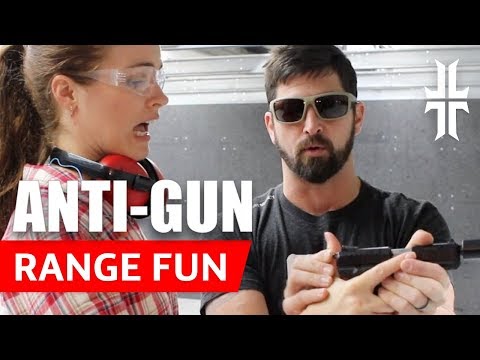
The Shooting Range PLATEAU | Lessons from War Fighters

Published on April 13, 2019
Duration: 14:28

This video from Warrior Poet Society, featuring former U.S. Army Ranger John Lovell, emphasizes a hierarchy of combat effectiveness: Mindset > Tactics > Skills > Gear. Lovell, drawing from extensive combat experience, stresses that true proficiency under duress stems from developing a strong mindset and conquering fear, rather than solely focusing on marksmanship on a flat range. He advocates for advanced training like force-on-force and stress inoculation to prepare for real-world scenarios where fear significantly impacts performance.

Quick Summary

Former Army Ranger John Lovell stresses that mindset is paramount in combat, ranking it above tactics, skills, and gear. He advocates for force-on-force training and stress inoculation to build courage and overcome fear, arguing that flat-range proficiency alone is insufficient for real-world duress.

Chapters

  1. 01:02Mindset > Tactics > Skills > Gear Hierarchy
  2. 02:20Beyond Flat Range Proficiency
  3. 02:55Developing Mindset for Combat
  4. 05:05Real-World Experience vs. Range Skills
  5. 07:29Importance of Fear and Stress Training
  6. 09:02Courage vs. Skill in Combat
  7. 10:20Learning from All Training Disciplines
  8. 12:49Personal Journey and Training Context

Frequently Asked Questions

What is the most important factor in combat effectiveness according to John Lovell?

John Lovell, a former U.S. Army Ranger, emphasizes that mindset is the most crucial factor in combat effectiveness, ranking it above tactics, skills, and gear. He believes conquering fear is paramount for clear thinking and performance under extreme stress.

Why is flat range proficiency not enough for real combat?

Proficiency on a flat range, while valuable, doesn't replicate the fear and stress of real combat. Lovell compares it to hitting a heavy bag; it builds skill but lacks the dynamic, high-stakes pressure that truly tests a fighter's mettle and decision-making.

What type of training does John Lovell recommend for developing combat readiness?

Lovell strongly advocates for advanced training beyond the flat range, including force-on-force scenarios, live-fire shoot-house drills, and stress inoculation exercises. These methods are essential for building courage and the ability to perform under life-threatening conditions.

What is the 'Indian and not the arrow' philosophy?

The 'Indian and not the arrow' philosophy, as explained by John Lovell, means that the practitioner's mindset, skills, and tactical acumen (the 'Indian') are far more important than the equipment they use (the 'arrow'). True effectiveness comes from within.

Related News

All News →

More Training & Techniques Videos You Might Like

More from Warrior Poet Society

View all →