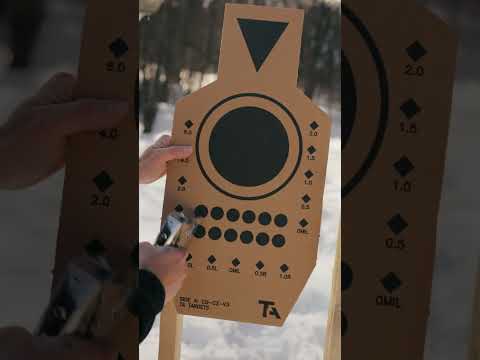
The Shot OF MY LIFE with 50BMG #shortds

Published on September 2, 2025
Duration: 0:17

This video demonstrates expert-level long-range precision shooting techniques, focusing on effective spotter-shooter communication. Key elements include precise target acquisition, detailed ballistic adjustments using 'mils' and 'tenths', and windage compensation calls. The demonstration highlights the proficiency required for engaging targets at extended distances with a .50 BMG rifle.

Quick Summary

Effective long-range precision shooting relies on clear spotter-shooter communication, including target acquisition, precise ballistic adjustments using 'mils' and 'tenths,' and windage compensation calls. This ensures accuracy when engaging targets at extended distances with powerful calibers like .50 BMG.

Chapters

  1. 00:00Target Acquisition & Spotter Ready
  2. 00:05Ballistic Adjustments & Wind Calls
  3. 00:13.50 BMG Rifle Engagement & Hit Confirmation

Frequently Asked Questions

What are the key elements of effective long-range shooting communication?

Effective long-range shooting relies on clear communication between the spotter and shooter. This includes confirming target acquisition, providing precise adjustments like 'mils' and 'tenths' for elevation, and calling windage compensation to ensure accuracy.

How are ballistic adjustments made in precision shooting?

Ballistic adjustments are made using units like mils (milliradians) or MOA (Minutes of Angle). Spotters call specific values, such as '2 mils up' or '1 tenth right,' which the shooter then applies to their optic's turrets to compensate for distance, wind, and bullet drop.

What equipment is essential for long-range .50 BMG shooting?

Essential equipment includes a .50 BMG rifle, typically bolt-action, equipped with a high-quality precision optic. A powerful spotting scope on a tripod is crucial for the spotter to acquire targets and observe impacts accurately.

Why is wind compensation important in long-range shooting?

Wind significantly affects a bullet's trajectory over long distances. Accurate wind calls from the spotter, and the shooter's ability to apply corresponding windage adjustments, are vital for compensating for drift and achieving a precise hit.

More Training & Techniques Videos You Might Like

More from American Outlaw

View all →