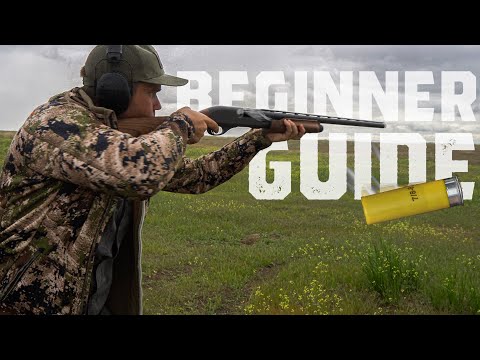
The Shotgun Part II ~ The Shotshell

Published on December 15, 2017
Duration: 39:39

This video provides an in-depth explanation of shotgun shells, covering the historical meaning of gauge, the function of chokes, and the evolution of shotshell technology. It details the physics of pellet energy loss and deformation, emphasizing the importance of pellet size versus pellet count for effective hunting. The instructor also touches on practical aspects like choosing appropriate loads for different game and the development of instinctive shooting skills through practice.


Quick Summary

Shotgun gauge is a historical measurement based on the number of pure lead round balls, each weighing 1/12th of a pound, that would fit the bore diameter. Pellet deformation during firing reduces accuracy and effective range by causing erratic flight. Larger pellets retain more energy but decrease pattern density, while smaller pellets offer denser patterns but less individual energy.

Chapters

  1. 00:00Introduction & Previous Segment Recap
  2. 00:34Middle Bead Functionality
  3. 02:20Chambering, Choke, and Shells
  4. 02:30Understanding Shotgun Gauge
  5. 04:06Constriction of the Bore (Chokes)
  6. 05:00Chamber Sizes
  7. 05:25Early Shotshell Construction
  8. 06:08Pellet Deformation Problem
  9. 07:54Evolution to Plastic Shells
  10. 09:22Improvements in Shot Shells
  11. 10:29Two and Three-Quarter Inch Shells
  12. 11:11Pellet Energy and Velocity Loss
  13. 13:55Energy of Shot Pellets
  14. 14:49Shot Pellet Sizes
  15. 17:19Low Brass vs. High Brass
  16. 18:53Pellet Size vs. Pellet Count
  17. 20:21No Absolute Rules in Shotgunning
  18. 21:02Individual Shooting Styles
  19. 22:02Choke Recommendations vs. Reality
  20. 23:02Understanding Choke
  21. 23:16Practicing with Clay Birds
  22. 24:10Clay Pigeons vs. Winged Birds
  23. 25:25Developing Shooting Skills
  24. 27:08Pointing vs. Aiming a Shotgun
  25. 28:19The All-Important Shell
  26. 28:31Target Loads Explained
  27. 30:51Overshot Cards
  28. 31:24Sporting Clays vs. Trap Loads
  29. 32:09Hull Durability and Reloading
  30. 33:00High Brass Shells Explained
  31. 35:06Load Recommendations
  32. 36:01Magnum Shells
  33. 37:50Pellet Count vs. Pellet Size Summary
  34. 38:37Choosing Loads Based on Shooting Style
  35. 38:56Next Episode Preview

Frequently Asked Questions

What does shotgun gauge actually mean?

Shotgun gauge is a historical measurement based on the number of pure lead round balls, each weighing 1/12th of a pound, that would fit the bore diameter. For example, a 12-gauge shotgun means 12 such balls equal one pound, indicating a specific bore size.

How does pellet deformation affect shotgun performance?

Pellet deformation during firing causes shotshell pellets to lose their spherical shape, leading to unpredictable flight paths and reduced accuracy. This deformation diminishes the effective range and energy retention of the shot charge.

What is the difference between high brass and low brass shotgun shells?

High brass and low brass are primarily visual cues. Modern shells have similar internal pressures regardless of brass height. High brass often indicates higher velocity loads intended for field use, while low brass might be for closer range applications.

Why is pellet size important in shotgun shells?

Pellet size is critical because larger pellets retain more energy and have greater penetration power, essential for bringing down game. However, increasing pellet size decreases the number of pellets in a charge, resulting in a less dense pattern.

Is it necessary to use magnum shotgun shells for hunting?

For most upland game hunting, 2 ¾ inch shells with standard payloads (1 to 1 ¼ ounces) are sufficient. Magnum shells are generally not necessary for upland birds and are more relevant for waterfowl hunting with non-toxic shot where higher velocities are needed.

More Training & Techniques Videos You Might Like

More from GunBlue490

View all →