Tom Gresham's Gun Talk: 3.27.16 - Part B

Published on April 13, 2016
Duration: 44:45

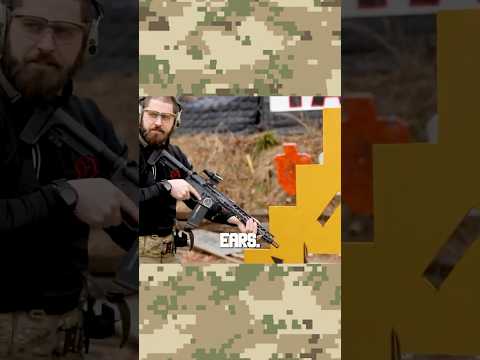
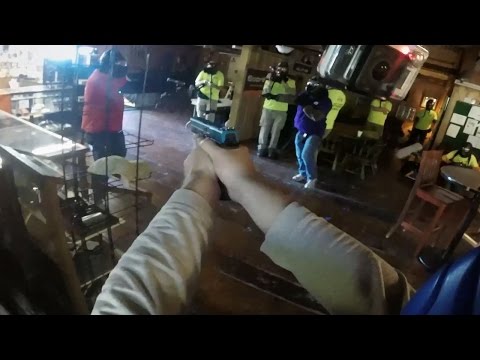
This episode features an in-depth discussion with firearms instructor Dave Spalding of Handgun Combatives, focusing on the principles of effective firearms training and the importance of experienced instructors. Spalding emphasizes biomechanical efficiency, drawing parallels to athletic techniques, and advocates for mastering fundamental skills over chasing advanced or specialized tactics. The conversation also critically examines the rise of unqualified instructors and highlights the value of real-world experience in tactical instruction.

Quick Summary

Firearms instructor Dave Spalding emphasizes that effective training focuses on mastering fundamental skills through biomechanical efficiency, drawing parallels to athletic techniques. He stresses that advanced skills are simply well-practiced basics, and training should prioritize practical application over trendy 'operator' tactics irrelevant to everyday self-defense scenarios. Identifying a qualified instructor involves verifying their practical experience and focus on fundamental techniques.

Chapters

  1. 00:00Introduction & Crimson Trace Ad
  2. 00:25Welcome to Gun Talk Reloaded
  3. 01:00Supreme Court & Second Amendment Discussion
  4. 02:53Hardware vs. Software in Self-Defense
  5. 03:33The Importance of Real Training
  6. 04:00Introducing Dave Spalding
  7. 05:00The Sameness of Core Firearms Principles
  8. 05:24Mastering the Basics: Bruce Lee's Philosophy
  9. 06:16Dave Spalding's Unique Slide Manipulation Technique
  10. 07:16Applying Coaching Principles to Shooting
  11. 08:07Eliminating Unnecessary Motion for Efficiency
  12. 08:28Unconscious Competence in Firearms Handling
  13. 09:05The Rise of New Trainers & Operator Beards
  14. 09:44Silencer Shop & HSM Ammunition Ads
  15. 10:461911 & Tiger McKee DVD Ad
  16. 11:47Comp-Tac Holster Ad
  17. 12:17Colt Firearms Ad
  18. 12:56Dave Spalding on Traveling & Training
  19. 13:47The Post-9/11 Influx of Trainers
  20. 14:42Critique of 'Operator' Culture in Training
  21. 15:14The Kardashian Effect in Training
  22. 15:28Dangerous Training Practices: Shooting Past Students
  23. 16:03How to Identify a Good Firearms Instructor
  24. 17:16The Value of Combative Experience
  25. 18:08The 'I Don't Fight Fair' Mindset
  26. 19:00Judicious Use of Force Explained
  27. 20:00Building Skills vs. Spec Ops Fantasies
  28. 21:45Contacting Dave Spalding
  29. 22:43Support Local Businesses & Protect Rights
  30. 23:04After Show Preview: NRA & Cheap Classes
  31. 23:20Caller: National Guard & Militia
  32. 24:04Caller: Donald Trump & NY Gun Laws
  33. 25:54Caller: Origins of NY Gun Laws (Sullivan Act)
  34. 27:06Caller: Ethical Hunting Guide Question
  35. 30:02Dury's Gun Shop Ad
  36. 30:33Sig Sauer Ad
  37. 31:03Black Hills Ammunition Ad
  38. 31:33Bigfoot Gun Belts Ad
  39. 32:16Caller: Orthodox Jewish Rabbis & Gun Rights
  40. 33:49Caller: Kentucky Republican Caucus
  41. 35:02Caller: Truck Drivers & Firearms Carry
  42. 39:42Caller: Smith & Wesson Shield Trigger
  43. 41:58Caller: Mental Health Screenings & Gun Rights
  44. 44:19Closing Remarks & Election Call to Action

Frequently Asked Questions

What are the key principles of effective firearms training according to Dave Spalding?

Dave Spalding emphasizes mastering fundamental skills through biomechanical efficiency, drawing parallels to athletic techniques. He stresses that advanced skills are simply well-practiced basics, and training should focus on practical application rather than trendy 'operator' tactics irrelevant to everyday self-defense scenarios.

How can someone identify a qualified firearms instructor?

A qualified instructor can clearly articulate their practical experience, detailing their background in law enforcement, military, or combative roles. They should focus on fundamental skills and efficient techniques, avoiding dangerous or impractical training methods. Checking their credentials and experience is crucial.

What is the importance of biomechanics in firearms training?

Biomechanics focuses on how the human body works most efficiently to manipulate a firearm. By applying these principles, unnecessary motion is eliminated, leading to faster, more efficient actions. This allows for consistent performance even under high stress, enabling 'unconscious competence'.

Why is real-world experience crucial for firearms instructors?

Instructors with real-world experience, particularly in combative situations, offer a unique perspective that cannot be replicated through theoretical knowledge alone. This experience informs their teaching, ensuring the techniques taught are practical, effective, and applicable when lives are on the line.

What is the difference between basic training and advanced skills in firearms?

According to Dave Spalding, advanced skills are essentially the basics mastered. The focus should be on perfecting fundamental techniques through consistent practice and understanding biomechanical efficiency, rather than seeking out specialized or overly complex tactics that may not be applicable to common self-defense situations.

Related News

All News →

More Training & Techniques Videos You Might Like

More from Gun Talk Media

View all →