Tom Gresham's GUNTALK: 12.6.15 - Part B

Published on December 8, 2015
Duration: 44:45

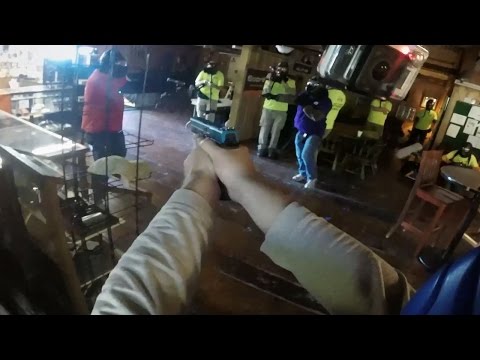
This episode of Gun Talk features firearms instructor Chris Serino discussing the critical importance of realistic, high-stress training for self-defense and active shooter scenarios. Serino emphasizes that true training goes beyond basic marksmanship, focusing on 'time on task' and mental preparation to develop unconscious competence. He highlights that effective training involves simulating chaotic environments, practicing drawing from a holster, moving while shooting, and dealing with malfunctions, all under pressure.

Quick Summary

Firearms instructor Chris Serino emphasizes that effective self-defense training requires 'time on task' and mental preparation, going beyond basic marksmanship. Realistic, high-stress scenarios and force-on-force exercises are crucial for developing unconscious competence, ensuring individuals can act decisively under duress. True training should be at least two days long to cover essential skills like drawing, moving, and malfunction clearing.

Chapters

  1. 00:00Introduction & Sponsor Message
  2. 00:23Gun Talk Show Intro
  3. 00:52San Bernardino Attacks Discussion
  4. 01:24Caller Paul from Tampa
  5. 01:33Book Recommendation: The Samurai, the Mounty, and the Cowboy
  6. 03:55Guest Introduction: Chris Serino
  7. 04:25Training in Chaotic Environments
  8. 05:04Fight, Flight, or Freeze Response
  9. 06:08Mental Programming for Action
  10. 07:08Duty to Act vs. Escape
  11. 08:50One Person vs. Multiple Attackers
  12. 09:09What Training Actually Means
  13. 10:07Elements of Effective Defense
  14. 11:26Break & Preview
  15. 11:52Ruger American Rimfire Rifle Ad
  16. 12:24NRA Freedom Friday Ad
  17. 12:58Silencer Shop Ad
  18. 13:26Concealed Carry Training DVDs Ad
  19. 14:03Brownells Trivia Question
  20. 15:08Chris Serino: What is Real Training?
  21. 15:39Training is Not for the Faint-Hearted
  22. 16:00Advanced Application of Basics
  23. 16:42Time on Task in Training
  24. 17:10Duration of Effective Training
  25. 18:11Skills Covered in Two-Day Training
  26. 19:14Three Levels of Competence
  27. 20:16Unconscious Competence Example
  28. 20:39Ballistic Masturbation vs. Quality Rounds
  29. 21:16Chris Serino's Website & Contact
  30. 21:46Commitment to Training
  31. 22:43Gun Talk Radio Broadcast
  32. 23:03Guest Introduction: Paul Voluone
  33. 23:09North Carolina Gun Rights Initiatives
  34. 23:43Pit County Concealed Carry Ordinance
  35. 25:54Project: Behind Every Blade of Grass
  36. 28:37EveryBladeOfGrass.org Website
  37. 30:43Commitment to Self-Defense
  38. 31:32Double Tap Ammunition Ad
  39. 31:52Trijicon Acupoint Scope Ad
  40. 32:18Springfield Armory XDM Ad
  41. 32:51Gun Dio App Ad
  42. 33:20Banishing Paradise Conservation Message
  43. 33:53DoubleTap Ammunition Ad (Repeat)
  44. 34:22Caller Ray from Grants Pass, Oregon
  45. 34:36Open Carry Experiences
  46. 35:44Winchester Marksmanship Program
  47. 36:39Acceptance of Self-Defense
  48. 37:53Luby's Cafeteria Shooting Example
  49. 38:53Civil Disobedience & Carrying Laws
  50. 39:43Caller Question: Ghillie Suit
  51. 39:54Obituary: Jim Clark Jr.
  52. 40:17Caller Justin from Granite City, Illinois
  53. 40:25Child Access to Firearms Discussion
  54. 41:31Daughter's Readiness for Self-Defense
  55. 42:06Importance of Shooting Practice
  56. 42:47Youth Model Shotgun Recommendation
  57. 43:33Hardware vs. Software in Defense
  58. 44:06Conclusion & Training Effectiveness

Frequently Asked Questions

What is the most important aspect of firearms training for self-defense?

According to firearms instructor Chris Serino, the most crucial aspect of firearms training for self-defense is 'time on task' and mental preparation. This involves simulating high-stress, chaotic environments through force-on-force exercises to develop unconscious competence, ensuring individuals can react effectively when their lives are on the line.

How long should a real self-defense firearms class be?

Chris Serino suggests that a genuine self-defense firearms class should be at least two days long. This duration allows for comprehensive instruction covering essential skills like drawing from a holster, moving while shooting, clearing malfunctions, and utilizing cover, which cannot be adequately taught in shorter, introductory courses.

What does 'time on task' mean in firearms training?

'Time on task' in firearms training refers to the cumulative amount of time spent actively practicing and engaging with firearms in a purposeful manner. It emphasizes quality repetitions and consistent practice over simply firing a large volume of ammunition, focusing on developing muscle memory and proficiency through deliberate action.

Why is force-on-force training important for self-defense?

Force-on-force training is vital because it simulates the stress and chaos of a real-world confrontation. By using training weapons and protective gear, participants experience realistic reactions, learn to manage fear, and develop the ability to make critical decisions under extreme pressure, which is essential for effective self-defense.

More Training & Techniques Videos You Might Like

More from Gun Talk Media

View all →