Training WIDE

Published on December 11, 2017
Duration: 46:00

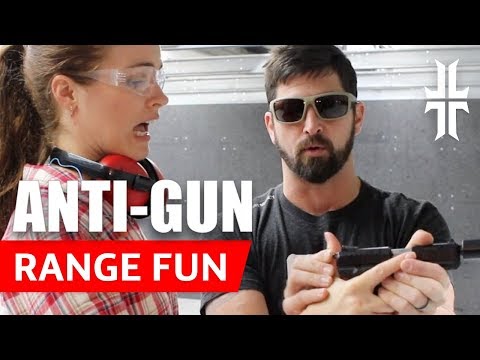
This video features a firearms instructor discussing critical aspects of self-defense and training. He emphasizes the importance of understanding movement and distance in defensive scenarios, critiquing common training methodologies that focus on range theatrics over real-world effectiveness. The instructor also touches upon the necessity of situational awareness, counter-surveillance, and the appropriate use of force, advocating for a more grounded and realistic approach to martial arts and firearms training. He highlights the need to adapt techniques based on the threat level, from joint manipulation to lethal force.

Quick Summary

The most critical tactical consideration when engaging a threat with a firearm is maintaining distance. Closing distance unnecessarily puts you in the line of fire and gives the attacker an advantage. Creating space leverages your marksmanship skills and significantly increases your odds of survival.

Chapters

  1. 00:00Introduction & Community Tab
  2. 01:30High Point Firearms Discussion
  3. 02:14AR-15s and Anti-Gun Climate
  4. 03:28California Magazine Laws
  5. 04:46Current Reading List
  6. 05:06Mindset: Movement and Threat Engagement
  7. 06:00Critique of Range Theatrics
  8. 07:12Competitive Shooting vs. Defensive Training
  9. 08:04BS Meter on Fighting Systems
  10. 08:43Critique of Women's Self-Defense Videos
  11. 09:36Critique of Eastern Martial Arts
  12. 10:27UFC as a Martial Arts Testbed
  13. 11:37Training Centricity and Specialization
  14. 12:40Tools for Self-Protection
  15. 13:14Joint Manipulation for Control
  16. 14:08Non-Lethal vs. Lethal Force Scenarios
  17. 15:05Critique of Cherry-Picking Defense Tactics
  18. 15:30Surveillance and Counter-Surveillance Training
  19. 16:19Criminal Planning Cycle
  20. 17:04Church Security & Crossfire Issues
  21. 18:04Krav Maga and Jiu-Jitsu Discussion
  22. 18:48Personal Favorite Defense Rounds
  23. 19:36Emphasis on When to Draw a Firearm
  24. 20:22Budget AR-15 Optics
  25. 21:24DDM4A1 vs. V11 and BCM Rifles
  26. 21:48Francis Schaeffer's Impact
  27. 22:09Patreon Exclusive Content Announcement
  28. 23:48Worldview Curriculum in Costa Rica
  29. 24:28Amazon Store Mention
  30. 25:25Rifle Classes and Room Clearing
  31. 25:42Spanish Language Study
  32. 26:13Cross-Eye Dominance Correction
  33. 27:00RMR Pistol Sight Training
  34. 27:33Teaching in South Florida & Colorado
  35. 27:53Lasers in Firearms
  36. 28:13RATS Tourniquet Discussion
  37. 30:31Shot Show 2018
  38. 30:39Ranger Indoctrination Program (RIP)
  39. 31:59YouTube Content Moderation Concerns
  40. 35:39Compound Security
  41. 36:11Sneak Peek: Meditations on Violence Video
  42. 39:53Hoodie String Tying Technique
  43. 40:24T-Shirt Choke Technique
  44. 41:41Aimpoint ACRO and Trijicon RMR Comparison
  45. 42:26Left of Bang Book Discussion
  46. 44:08C.S. Lewis's Mere Christianity
  47. 45:33Patreon Session & Closing Remarks

Frequently Asked Questions

What is the most important tactical consideration when engaging a threat with a firearm?

The most critical tactical consideration is maintaining distance from the threat. Closing distance unnecessarily puts you in the line of fire and gives the attacker an advantage. Creating space leverages your marksmanship skills and significantly increases your odds of survival.

How does competitive shooting differ from real-world defensive training?

Competitive shooting often emphasizes speed and movement that can be detrimental in real-world defense. Tactics like closing distance to a threat, common in competition, are dangerous in a civilian context. Effective defensive training focuses on situational awareness, proper movement, and threat assessment rather than just marksmanship drills.

What are the key elements of a criminal planning cycle, and how can they be countered?

The criminal planning cycle involves target selection, intelligence gathering, positioning, and attack. The best counter is to detect them during the intelligence gathering or positioning phases through surveillance and counter-surveillance, allowing you to prepare, avoid the situation, or gain a tactical advantage.

What is the recommended approach for correcting cross-eye dominance when shooting?

To correct cross-eye dominance, adjust your head position by tucking your chin towards your dominant-side shoulder. This forces your dominant eye to align with the sights, allowing you to aim effectively without closing your non-dominant eye.

More Training & Techniques Videos You Might Like

More from Warrior Poet Society

View all →