Transition Drill - How, and Why: GunVenture|S1 E8 Bonus

Published on August 26, 2017
Duration: 3:04

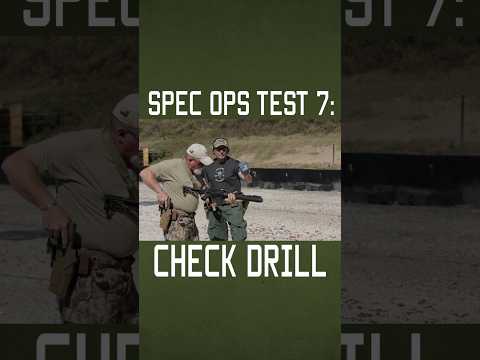
This video demonstrates a transition drill designed to improve efficiency when a rifle malfunctions. The drill involves firing one shot from the rifle, simulating a malfunction, transitioning to the pistol for two shots, and then returning to the rifle for three shots. Key takeaways include the importance of quickly disengaging from a non-functional rifle and the strategic considerations for when a pistol transition is more advantageous than clearing a rifle malfunction, particularly at close distances.

Quick Summary

The rifle to pistol transition drill is crucial for efficiency when a rifle malfunctions. It emphasizes quickly disengaging from a non-functional rifle and drawing a pistol, especially in close-quarters. A common drill involves firing one shot from the rifle, two from the pistol, and three from the rifle, simulating a malfunction.

Chapters

  1. 00:11Introduction to Transition Drill
  2. 00:13Why Perform a Transition Drill
  3. 00:41Key Considerations for Transitioning
  4. 01:02The Transition Drill Explained
  5. 01:14Drill Sequence: 1-2-3
  6. 01:30Efficiency in Transition
  7. 01:48Engaging the Rifle Safety
  8. 02:17Returning to the Rifle

Frequently Asked Questions

What is the primary purpose of a rifle to pistol transition drill?

The primary purpose is to train shooters to efficiently switch to a pistol when their rifle malfunctions and clearing the malfunction would be too time-consuming, especially in close-quarters scenarios where speed is critical.

When is it advisable to transition from a rifle to a pistol instead of clearing a malfunction?

Transitioning is advisable when the engagement distance is close, the shooter's pistol proficiency is high, and the time saved by drawing a functional pistol outweighs the time required to clear the rifle's malfunction.

What is the recommended drill sequence for a rifle to pistol transition exercise?

A common drill sequence is firing one shot from the rifle, simulating a malfunction, transitioning to the pistol for two shots, and then returning to the rifle for three shots, often referred to as a 1-2-3 drill.

Can engaging the rifle's safety help during a transition drill?

Yes, attempting to engage the rifle's safety during a transition can act as an indicator. If the safety won't engage, it suggests a malfunction that might require a reload rather than just clearing an empty chamber.

More Training & Techniques Videos You Might Like

More from Gun Talk Media

View all →