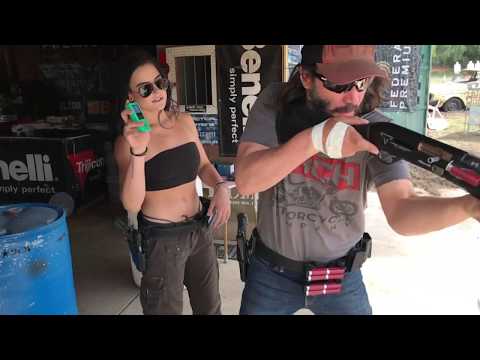
TraumaPAK teaches some of TTI how to stop the bleeding with preventable death trauma.

Published on June 12, 2020
Duration: 13:04

This training session from TraumaPAK and Taran Tactical focuses on 'Stop the Bleed' techniques to manage life-threatening trauma, specifically hemorrhage. It covers the proper application of tourniquets for limb injuries, emphasizing the 'high and tight' principle under stress, and demonstrates wound packing with hemostatic gauze for junctional areas like the neck and groin. The instruction highlights that these are battlefield-proven techniques now accessible to civilians for immediate life-saving interventions.


Quick Summary

The 'Stop the Bleed' initiative teaches how to control severe hemorrhage, a leading cause of preventable death. For limb injuries, apply a tourniquet high and tight above the wound until bleeding stops. For junctional areas like the neck or groin, pack the wound with hemostatic gauze and apply direct pressure. These techniques are vital for immediate life-saving interventions.

Chapters

  1. 00:00Introduction to Stop the Bleed
  2. 00:42Limb vs. Junctional Injuries
  3. 01:14Tourniquet Application Principles
  4. 01:50How to Apply a Tourniquet
  5. 02:48Wound Packing Technique
  6. 03:37Using Hemostatic Gauze
  7. 04:37Tourniquet Practice
  8. 05:40Trauma Kit Contents Explained
  9. 06:44Israeli Bandage Demonstration
  10. 07:19When to Use a Tourniquet
  11. 07:40Conclusion and Active Bystander Role

Frequently Asked Questions

What is the primary goal of 'Stop the Bleed' training?

The primary goal of 'Stop the Bleed' training is to equip bystanders with the knowledge and skills to provide immediate, life-saving care for severe bleeding, particularly hemorrhage, before professional medical help arrives. This training focuses on controlling blood loss from traumatic injuries.

How should a tourniquet be applied for severe limb bleeding?

For severe limb bleeding, apply a tourniquet 2-3 inches above the wound. If under extreme stress or unsure of the exact wound location, apply it as high as possible on the limb. Ensure it's tight enough to stop bleeding, indicated by a click or cessation of blood flow, and note the application time.

What is the recommended method for controlling bleeding in junctional areas like the neck or groin?

For junctional areas where a tourniquet cannot be effectively applied, the recommended method is wound packing. This involves filling the wound cavity with hemostatic gauze and applying direct pressure to control the bleeding until medical professionals can take over.

Are there any risks associated with leaving a tourniquet on for an extended period?

While tourniquets are life-saving, prolonged application can lead to nerve damage or limb loss. However, current data suggests that damage typically occurs after several hours, making the initial application crucial for survival. Medical professionals will manage its removal.

Related News

All News โ†’

More Training & Techniques Videos You Might Like

More from Taran Tactical

View all โ†’