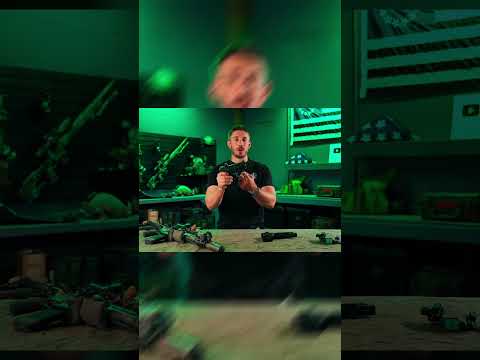
Ultimate Firearms Training: Into the Fray Episode 134

Published on October 3, 2016
Duration: 9:02

This episode of 'Into The Fray' by USCCA focuses on essential firearms training for defending against multiple threats in low-light conditions. Expert instructor Kevin Michalowski demonstrates a dynamic drill involving engaging five steel targets while moving and using a weapon-mounted light. The training emphasizes realistic scenarios, crucial for effective self-defense beyond static range practice.

Quick Summary

This episode of 'Into The Fray' by USCCA focuses on essential firearms training for defending against multiple threats in low-light conditions. Expert instructor Kevin Michalowski demonstrates a dynamic drill involving engaging five steel targets while moving and using a weapon-mounted light, emphasizing realistic scenarios for effective self-defense.

Chapters

  1. 00:00Introduction to Into The Fray & Multiple Threats
  2. 01:25The Importance of Low Light Training
  3. 02:40Training Drill: Multiple Targets, Low Light
  4. 04:00Drill Execution & Techniques
  5. 05:30Post-Engagement Procedures
  6. 06:45Importance of Realistic Training
  7. 07:45Conclusion & USCCA Resources

Frequently Asked Questions

What is the primary focus of this firearms training episode?

This episode focuses on essential firearms training for defending against multiple threats in low-light conditions. It emphasizes realistic scenarios and dynamic drills to prepare individuals for complex self-defense situations.

Why is training for multiple threats in low light important?

Many self-defense incidents occur in low-light environments and can involve more than one aggressor. Training for these specific conditions, using tools like weapon-mounted lights, is crucial for effective threat identification and engagement.

Can you describe the key training drill demonstrated?

The drill involves engaging five steel targets at 10-12 yards in a low-light setting. The shooter starts facing away, turns on command, draws, illuminates, and engages targets while moving, simulating a dynamic threat environment.

What are the critical post-engagement procedures taught?

After engaging threats, it's vital to seek cover, perform a tactical reload to ensure a ready firearm, and conduct a full 360-degree scan to confirm the area is secure. Continuous vigilance is key.

More Training & Techniques Videos You Might Like

More from USCCA

View all →