ยิงเปลี่ยนระยะ​ ปรับกล้องเล็งยังไง?

Published on October 17, 2019
Duration: 10:32

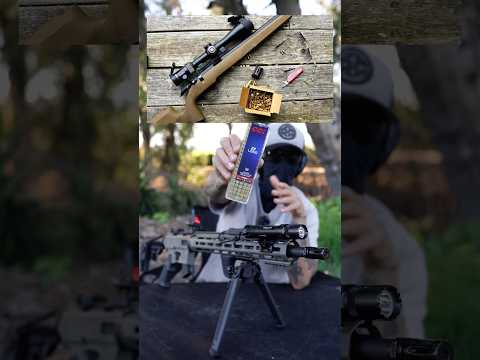
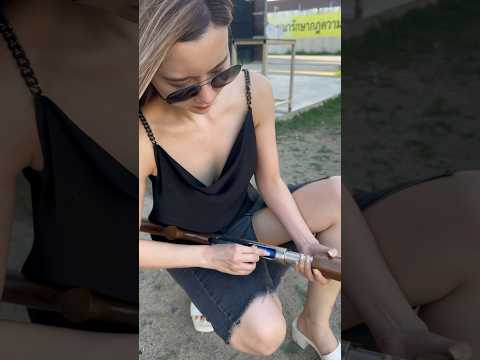
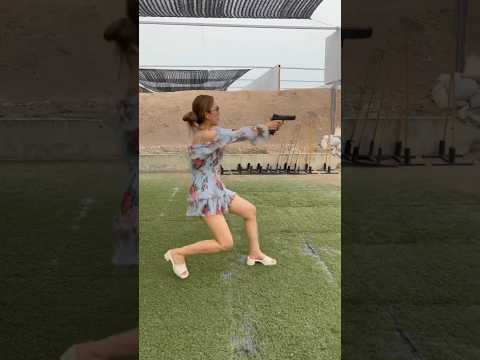
This guide details how to adjust rifle scopes for varying distances, a technique demonstrated by Naaming Kotchanok. It covers establishing a 25-meter zero, observing bullet drop at 50 and 100 meters, and utilizing First Focal Plane reticle holdovers for compensation. The importance of recording ballistic data for future reference is emphasized, providing practical advice for long-range rimfire shooting.

Quick Summary

Adjusting a rifle scope for distance involves establishing a 25-meter zero, observing bullet drop at longer ranges (e.g., 100 meters), and compensating using either First Focal Plane (FFP) reticle holdovers or precise turret adjustments. Recording ballistic data is crucial for consistent accuracy in the field.

Chapters

  1. 00:00Introduction and Setup
  2. 00:43Equipment Overview
  3. 01:1625-Meter Baseline
  4. 02:17Zeroing the Turrets
  5. 04:0050-Meter Performance
  6. 04:48100-Meter Drop Observation
  7. 06:30Using Reticle Holdovers
  8. 07:31Turret Adjustment for 100m
  9. 09:09Summary and Data Recording

Frequently Asked Questions

How do you adjust a rifle scope for different distances?

To adjust a rifle scope for distance, first establish a 25-meter zero. Then, shoot at longer ranges like 100 meters to observe bullet drop. You can compensate by using the hash marks on a First Focal Plane (FFP) reticle for holdovers or by making precise adjustments to the elevation turret based on recorded ballistic data.

What is the benefit of a First Focal Plane (FFP) reticle for long-range shooting?

An FFP reticle is beneficial for long-range shooting because the reticle's size scales with the magnification. This means the subtensions (like mil-dots) remain consistent relative to the target at any zoom level, allowing for accurate holdovers and range estimation without needing to recalculate.

How do you zero a rifle scope at 25 meters?

To zero a rifle scope at 25 meters, fire a group of shots and observe where they impact relative to your point of aim. Use a coin to loosen the turret caps and then adjust the elevation and windage turrets until the center of your group is centered on your point of aim. Reset the turrets to the zero mark.

Why is recording ballistic data important for shooting?

Recording ballistic data is important because it provides a reference for bullet drop at various distances. This allows you to make quick, accurate adjustments in the field using either your scope's reticle or turrets, ensuring consistent accuracy without needing to re-zero for every shot.

Related News

All News →

More Training & Techniques Videos You Might Like

More from Naaming Kotchanok

View all →