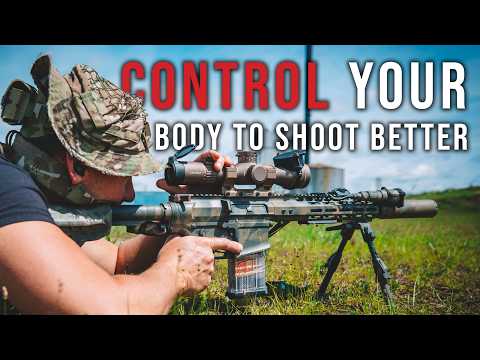
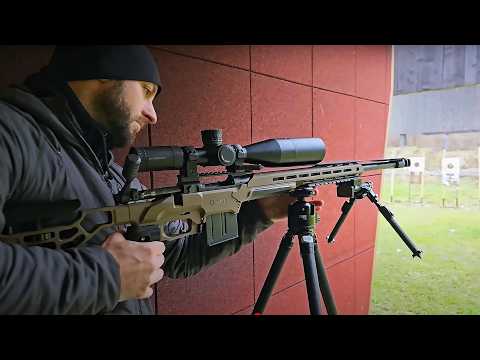
What is long range precision shooting?

Published on March 8, 2026
Duration: 5:09

Long-range precision shooting is a demanding discipline requiring mastery of external ballistics, wind reading, and precise equipment. This expert guide emphasizes the critical step of 'truly' ballistic data through live fire and chronograph use. It covers essential equipment, popular calibers, and the ethical responsibilities of long-range hunting, highlighting the blend of science and art involved.

Quick Summary

Long-range precision shooting extends beyond 300 yards, demanding mastery of external ballistics like bullet drop and wind drift. Shooters correct for these factors using scope adjustments and ballistic solvers, but must 'true' their data with live-fire measurements and chronograph readings for true accuracy.

Chapters

  1. 00:00Introduction to Long-Range Shooting
  2. 00:22Defining Long-Range Distances
  3. 00:51Understanding External Ballistics
  4. 01:19Correcting for Bullet Drop
  5. 01:28The Challenge of Wind
  6. 01:46Reading Wind for Accuracy
  7. 01:56Utilizing Ballistic Solvers
  8. 02:14Truing Your Ballistic Data
  9. 02:36Long-Range Equipment Features
  10. 02:50Transonic Flight Considerations
  11. 02:57Popular Long-Range Calibers
  12. 03:09Characteristics of Long-Range Scopes
  13. 03:20Ethical Hunting Responsibilities
  14. 03:38Ethical Hunter's Discipline
  15. 03:57Competition Shooting Dynamics
  16. 04:15Impact of Competition on Gear and Skill
  17. 04:27Path to Improvement in Shooting
  18. 04:45Conclusion: The Rewards of Precision

Frequently Asked Questions

What is considered long range in precision shooting?

Most shooters define long range as distances beyond 300 yards. While ethical hunting shots are typically within 300 yards, competition shooting can involve targets from 300 yards to a mile or more.

How do shooters correct for bullet drop in long-range shooting?

Shooters compensate for bullet drop by adjusting the elevation turrets on their rifle scopes or by using reticles with calibrated hash marks designed for specific distances.

What is the role of wind in long-range precision shooting?

Wind is a critical and unpredictable factor in long-range shooting. A crosswind can significantly push a bullet off target, requiring shooters to learn to read wind conditions and make precise adjustments.

Why is 'truly' ballistic data important for long-range shooters?

'Truing' ballistic data involves live-firing your specific rifle and ammunition, measuring muzzle velocity with a chronograph, and verifying predictions at known distances. This ensures the accuracy of ballistic solver outputs.

More Training & Techniques Videos You Might Like

More from Precision Rifle Network

View all →