What You Didn't Learn in Your Concealed Carry Class | GunTalk S2: Ep 1, Pt 2

Published on June 29, 2012
Duration: 4:42

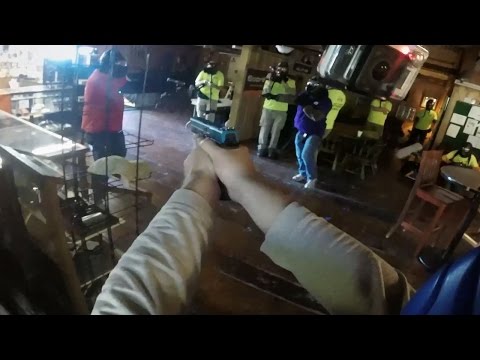
This video emphasizes that concealed carry permits are just a license to learn, highlighting the necessity of further training. It details several firearm ready positions, including Low Ready, Compressed Low Ready, Chest Ready, and High Ready, explaining their tactical applications and transition speeds. The importance of situational awareness and solid training is stressed for choosing the appropriate position.


Quick Summary

Concealed carry permits are just a license to learn; proper training is essential. Key firearm ready positions include Low Ready (45-degree muzzle angle), Compressed Low Ready (sustainable), Chest Ready (close confines), and High Ready (stable movement). Mastering transitions between these positions, which take about 0.32 seconds, is crucial for effective self-defense.

Chapters

  1. 00:23License to Learn
  2. 00:36Positioning for Confrontation
  3. 01:12Low Ready / Guard Position
  4. 02:03Compressed Low Ready
  5. 02:33Chest Ready / Third Eye
  6. 03:09High Ready Position
  7. 04:14Choosing the Right Position
  8. 04:28Upcoming Topics: Reloading & Malfunctions

Frequently Asked Questions

What is the purpose of the Low Ready firearm position?

The Low Ready, or Guard position, angles the firearm's muzzle down about 45 degrees. It's considered a highly prepared stance for immediate engagement, offering a balance between readiness and safety, and its body language can be a strong deterrent.

When should the Chest Ready position be used?

The Chest Ready, also known as the Third Eye position, is ideal for close confines or when navigating corners. It keeps the firearm compact and close to the body, reducing the risk of it being grabbed and allowing for a quick presentation when a threat is identified.

Why is the High Ready position becoming popular?

The High Ready position offers excellent stability during movement and allows for very fast presentation. The firearm naturally inserts into the shooter's line of sight, making target acquisition quicker, which is why it's favored by some special mission units.

How quickly can one transition between firearm ready positions?

Transitions between common ready positions like Low Ready, Compressed Low Ready, Chest Ready, and High Ready are remarkably fast, generally occurring within approximately 0.32 seconds. This speed is well within the blink of an eye, ensuring rapid response capability.

More Training & Techniques Videos You Might Like

More from Gun Talk Media

View all →