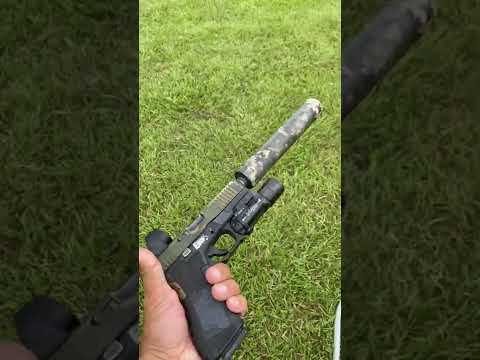
Where do I start on my Journey

Published on August 15, 2022
Duration: 50:44

This video provides a comprehensive guide for new shooters on how to begin their firearms training journey. It emphasizes investing in oneself through quality instruction, differentiating between performance and tactical training, and outlines key criteria for vetting instructors. The hosts stress the importance of mastering fundamental shooting skills with a full-size pistol before progressing to more advanced techniques or concealed carry.

Quick Summary

For new firearms shooters, prioritize investing in yourself through quality training. Start with baseline fundamental shooting skills using a full-size pistol, and seek instructors who are continuously learning. Avoid micro-compacts for initial training and focus on mastering the fundamentals before advanced tactical applications.

Chapters

  1. 00:24Introduction: Investing in Yourself
  2. 01:11Sponsors & Resources
  3. 03:23How Roy & Tyler Met Through Training
  4. 04:45The Impact of a Good Instructor
  5. 05:30Learning from Good & Bad Trainers
  6. 06:03Vetting Your Firearms Instructor
  7. 06:41Performance vs. Tactical Training
  8. 07:38Being a Professional Student
  9. 08:43Identifying Bad Instructors Online
  10. 10:23What to Avoid in Training Videos
  11. 11:59Tactical vs. Baseline Instructors
  12. 13:00Immediate Feedback in Performance Training
  13. 14:33Where to Find a Baseline Instructor
  14. 15:11Vetting Local Ranges
  15. 16:48Attending Competition Matches
  16. 18:16Finding Quality Trainers on YouTube
  17. 19:16Tactical Shooting: A Later Stage
  18. 20:27Choosing Your First Firearm
  19. 21:29Carry Comfort vs. Shooting Comfort
  20. 23:51Building from the Ground Up: Pistol Fundamentals
  21. 24:10AR-15 as a Fighting Rifle
  22. 28:10Don't Buy Based on Carry Comfort
  23. 29:26Biased Instructors & Red Flags
  24. 31:05Doctrine vs. Tactics
  25. 34:03The Importance of an Open Mindset
  26. 35:31Willingness to Learn
  27. 36:15Evolving with Your Instructor
  28. 38:37The Dip in Performance
  29. 40:49Accepting You Still Suck
  30. 41:12Finding Your Path & Instructors
  31. 42:23Baseline Equipment Necessities
  32. 43:26Outside the Waistband Holster First
  33. 44:02First Class: Avoid Concealed Draw
  34. 45:19Remove Hindering Implements
  35. 46:15Don't Skimp on Holster & Belt
  36. 47:34Invest in Yourself & Train
  37. 49:07Authenticity of Hosts
  38. 50:09Conclusion: Continue to Invest

Frequently Asked Questions

How can a beginner start firearms training?

Beginners should prioritize investing in themselves through quality firearms training. Start by focusing on baseline fundamental shooting skills with a full-size pistol, and seek instructors who are professional students themselves. Avoid starting with micro-compacts or focusing solely on concealed carry comfort for your first firearm.

What are the key differences between performance and tactical firearms training?

Performance training focuses on fundamental skills with immediate feedback, helping new shooters build proficiency quickly. Tactical training is more complex and harder to navigate, often involving scenarios that require more experience. For beginners, mastering performance fundamentals is the recommended starting point.

How do I vet a firearms instructor?

To vet an instructor, look for someone who is a continuous student of the craft, stays updated on industry trends, and demonstrates their techniques. Check their background, read reviews from other students, and ensure they can explain the 'why' behind their methods, not just state absolutes.

What is the best type of firearm for a new shooter?

For new shooters, a full-size or duty-sized pistol (like a Glock 19 or larger) is recommended over micro-compacts. This provides a better grip, longer sight radius, and is generally more comfortable to shoot, aiding in developing fundamental skills and proficiency.

What essential gear do I need for my first firearms class?

For your first class, invest in a high-quality belt and a Kydex outside-the-waistband (OWB) holster. These are crucial for safely practicing the draw stroke and building a solid foundation. Avoid skimping on these items, as they directly impact your ability to learn effectively.

Related News

All News →

More Training & Techniques Videos You Might Like

More from Barrel & Hatchet

View all →