Why is Surplus Ammo Dangerous

Published on May 21, 2021
Duration: 8:07

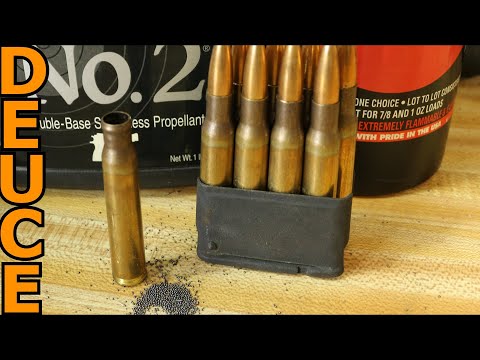
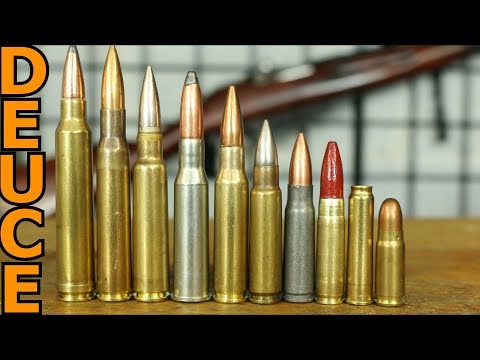
This video from Deuce and Guns details three primary dangers associated with surplus ammunition: squib loads, improperly reloaded ammunition, and ammunition that has been tumbled. It explains how a squib load can lead to a catastrophic firearm failure if a second round is fired, how incorrect powder in reloads can cause over-pressure, and how tumbling can alter powder burn rates, potentially creating dangerous pressure spikes. The instructor emphasizes caution when using older or improperly stored ammunition.

Quick Summary

Surplus ammunition can be dangerous due to squib loads, where a bullet lodges in the barrel, leading to explosion if a second round is fired. Improper storage can alter gunpowder, making it hotter. Reloaded ammunition may use incorrect powders, and tumbling can degrade powders, increasing pressure beyond safe limits.

Chapters

  1. 00:00Introduction to Surplus Ammo Dangers
  2. 00:25Danger 1: Squib Loads Explained
  3. 01:01Causes of Squib Loads (Poor Storage)
  4. 01:34Consequences of Firing After a Squib
  5. 02:19Squib Loads with Modern Ammo
  6. 02:51Poor Storage Altering Powder
  7. 03:32Danger 2: Misrepresented Reloads
  8. 04:01Scrupulous Reloading Practices
  9. 04:31Powder Type Mismatch Dangers
  10. 05:24Danger 3: Ammunition Tumbling
  11. 06:02Tumbling for Cosmetic Improvement
  12. 06:25PSA: Tumbler Contamination
  13. 07:09Tumbling's Effect on Powder
  14. 07:37Summary of Surplus Ammo Dangers

Frequently Asked Questions

What is a squib load and why is it dangerous?

A squib load is when a firearm fires but the bullet doesn't exit the barrel, often due to insufficient powder. Firing a second round into a barrel blocked by a squib load creates immense pressure, which can cause the firearm to explode and injure the shooter.

How can surplus ammunition become more powerful over time?

Poor storage conditions, like prolonged exposure to extreme heat, can chemically alter gunpowder. In rare cases, this can transform the powder into a hotter, faster-burning type, increasing pressure beyond what the firearm is designed to handle.

What are the risks associated with reloaded ammunition sold as surplus?

Reloaded ammunition sold as surplus can be dangerous if improperly loaded. Using fast-burning pistol powders in rifle cartridges, for example, can create dangerously high pressures, leading to firearm failure and potential injury.

Can cleaning surplus ammunition in a tumbler make it dangerous?

Yes, excessive tumbling can break down stick powders into finer grains, essentially creating a faster-burning powder. This can lead to higher pressures than the cartridge or firearm was designed for, making it dangerous.

More Training & Techniques Videos You Might Like

More from DEUCE AND GUNS

View all →