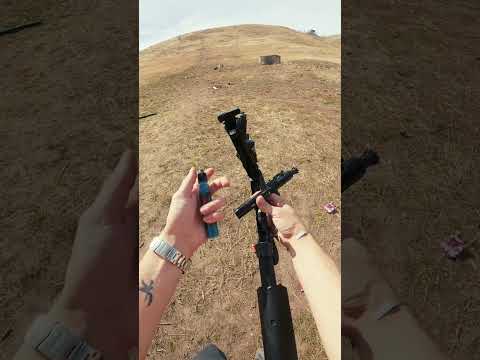
Worst TikTok Gun Fails... Part 13

Published on November 4, 2024
Duration: 9:16

This guide details how to diagnose an AR-15's gas system by analyzing brass ejection patterns, a technique explained by Nikko Ortiz. Proper ejection indicates correct gas system tuning, while issues like weak or erratic ejection suggest potential undergassing or overgassing problems that need addressing. This method is crucial for ensuring reliable firearm function.

Quick Summary

Diagnose your AR-15's gas system by analyzing brass ejection patterns. Proper function shows brass ejecting forward (1-3 o'clock), while weak or backward ejection indicates undergassing. Overgassing results in forceful, often mangled brass ejection. Understanding this is key to reliable firearm operation and maintenance.

Chapters

  1. 00:00Introduction & AK-47 Concrete Test
  2. 01:00AR-15 Overgassing Diagnosis
  3. 01:50Brass Catcher Review
  4. 03:07Firearms in Concrete Blocks
  5. 06:55TSA Firearm Transport Rules
  6. 07:32Tactical Gear Spotlight
  7. 08:39Height Over Bore Mistake

Frequently Asked Questions

How can I tell if my AR-15 is overgassed?

Observe the ejection pattern of spent brass. Overgassed AR-15s typically eject brass forcefully forward, often mangled, landing far ahead or to the side. This indicates excessive gas pressure affecting cycling.

What does it mean if my AR-15 brass ejects backward?

Brass ejecting backward or weakly to the side (9-11 o'clock) usually signifies an undergassed condition. This can lead to cycling failures, stovepipes, and failure-to-feed malfunctions, requiring adjustment of the gas system.

What is 'height over bore' in firearms?

Height over bore is the distance between the center of your rifle's barrel and the center of your optic's sight picture. Understanding this is crucial for accurate shooting, especially at close distances, to compensate for bullet drop.

How should I transport firearms on an airplane?

Use a sturdy, locked case like a Pelican case. Ensure locks are TSA-approved and declare the firearm to the airline. Follow specific airline and TSA regulations for firearm transport.

Related News

All News →

More Training & Techniques Videos You Might Like

More from Nikko Ortiz

View all →