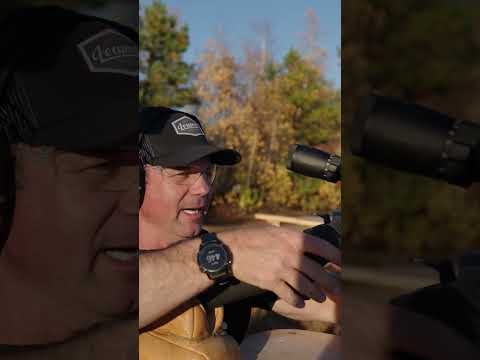
This video explains the concept of ballistic trajectory and how different zero distances affect the point of impact at closer ranges. It highlights that a 100-yard zero will result in a lower point of impact at 200 and 300 yards, while a 200 or 300-yard zero will cause the bullet to strike higher at 100 yards. The speaker demonstrates adjusting optics based on these principles.
This video demonstrates the process of zeroing a 10.3-inch Daniel Defense MK18 at 100 yards and then evaluating its performance at extended distances (200, 300, and 400 yards). The instructor emphasizes the importance of completing previous zeroing steps (25, 36, 50 yards) for optimal results and highlights the impact of wind on bullet trajectory. The final zero is confirmed at 100 yards, with subsequent shots at longer ranges showing significant drop and deviation, particularly at 300 and 400 yards.
This guide details the process of zeroing AR-15 iron sights, emphasizing the importance of a stable shooting platform and natural point of aim. It covers common zero distances like 50/200 yards and 300 meters, explaining sight adjustment principles and the need to collect personal data due to variations in ammunition and rifle configurations. The instructor highlights that proper zeroing is crucial for effective marksmanship.
You've reached the end! 3 videos loaded.
Gun Laws by State
Read firearms regulations for all 50 states + D.C.
Find Gun Dealers
Search licensed FFL dealers near you.